Dates in use: May 14, 2025 - Feb 17, 2026
Askar FRA400 Platform Ver 2.1

Specs + Performance
| Metric | Value |
|---|---|
| Effective focal lengthAperture 72mm | 400 mmf/5.6 |
| Image scalePixel 3.8µm | 1.96″/px1.3 px/FWHM @ 2.5″ |
| Field of view (W × H)Sensor 17.7×13.4mm | 2.53° × 1.92°152′ × 115′ |
Sampling
Undersampled
1.3 px/FWHM · target ~2–3
Guiding
Tight 1.53×
Guide scale ≈2.99″/px (WO 50mm) · ≤3× generally fine
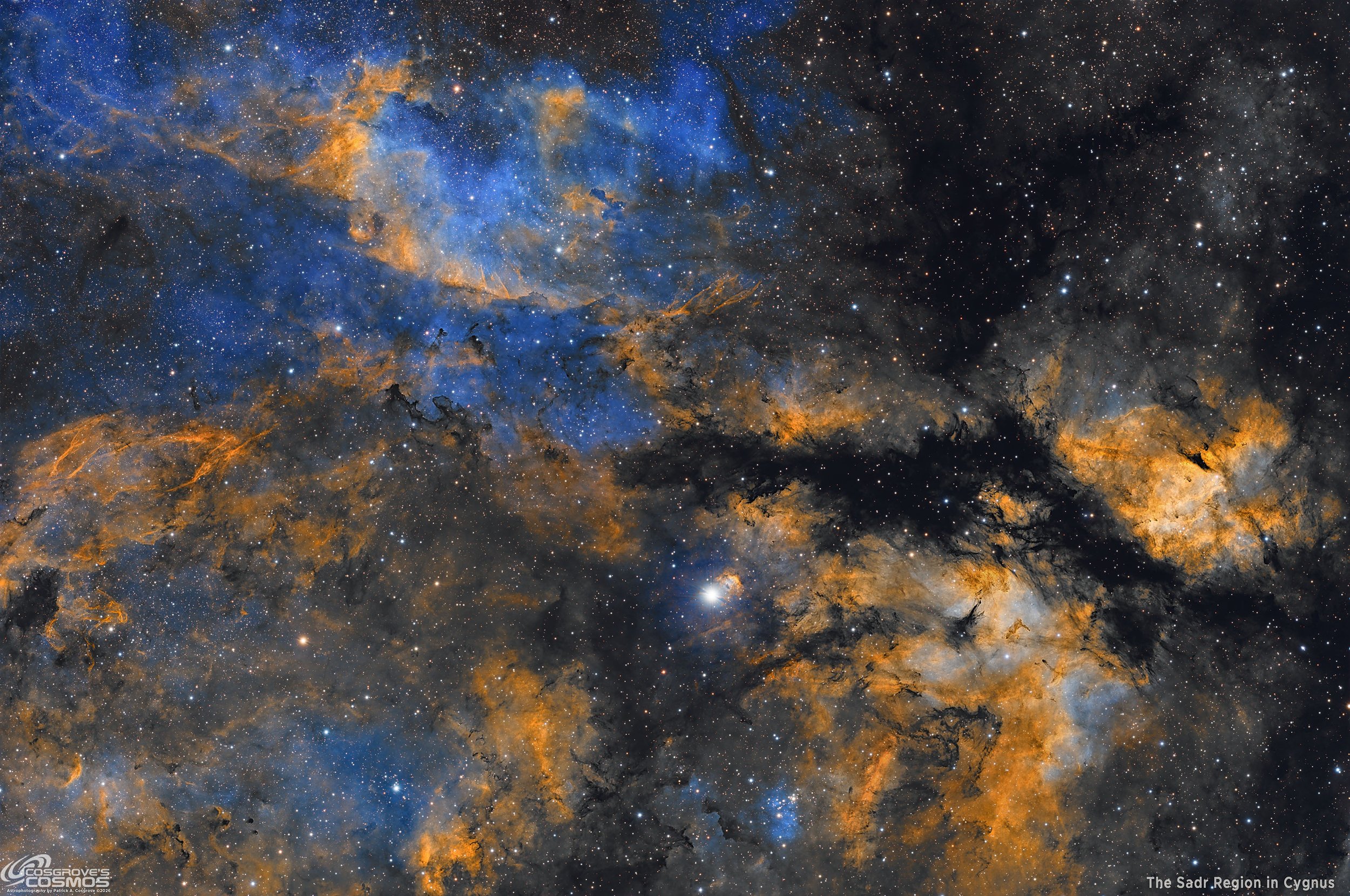
A wide-field view of the Sadr Region in Cygnus, combining 12 h 46 m of SHO narrowband data with RGB stars captured through the Askar FRA400 and ZWO ASI2600MM-Pro. This image reveals glowing emission nebulae, dark molecular clouds, young star clusters, and the bright foreground star Sadr along one of the richest stretches of the Milky Way.
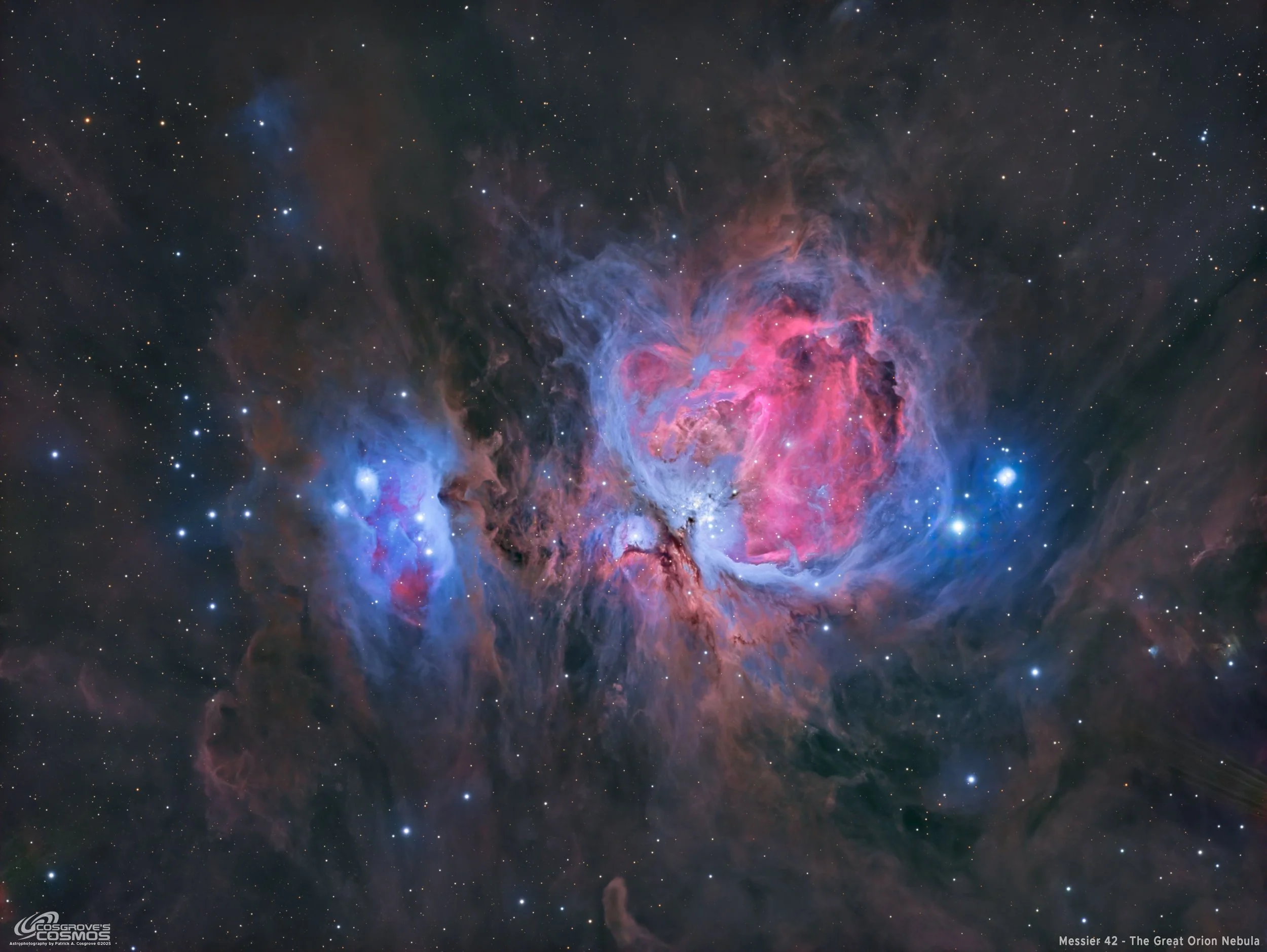
Orion’s sword is one of the most famous regions in the night sky, and for good reason. This widefield take on M42/M43 and the Running Man blends short and longer RGB/L exposures with H-alpha to balance the bright core against the faint, sculpted outer nebulosity—an image that showcases both the beauty and the ongoing starbirth of our nearest major stellar nursery.

A 34.5-hour SHO+RGB portrait of Sh2-157 (the Lobster Claw) with the Bubble Nebula in frame—captured over five October nights with the FRA400/ASI1600 and processed in PixInsight; full workflow and annotations inside.
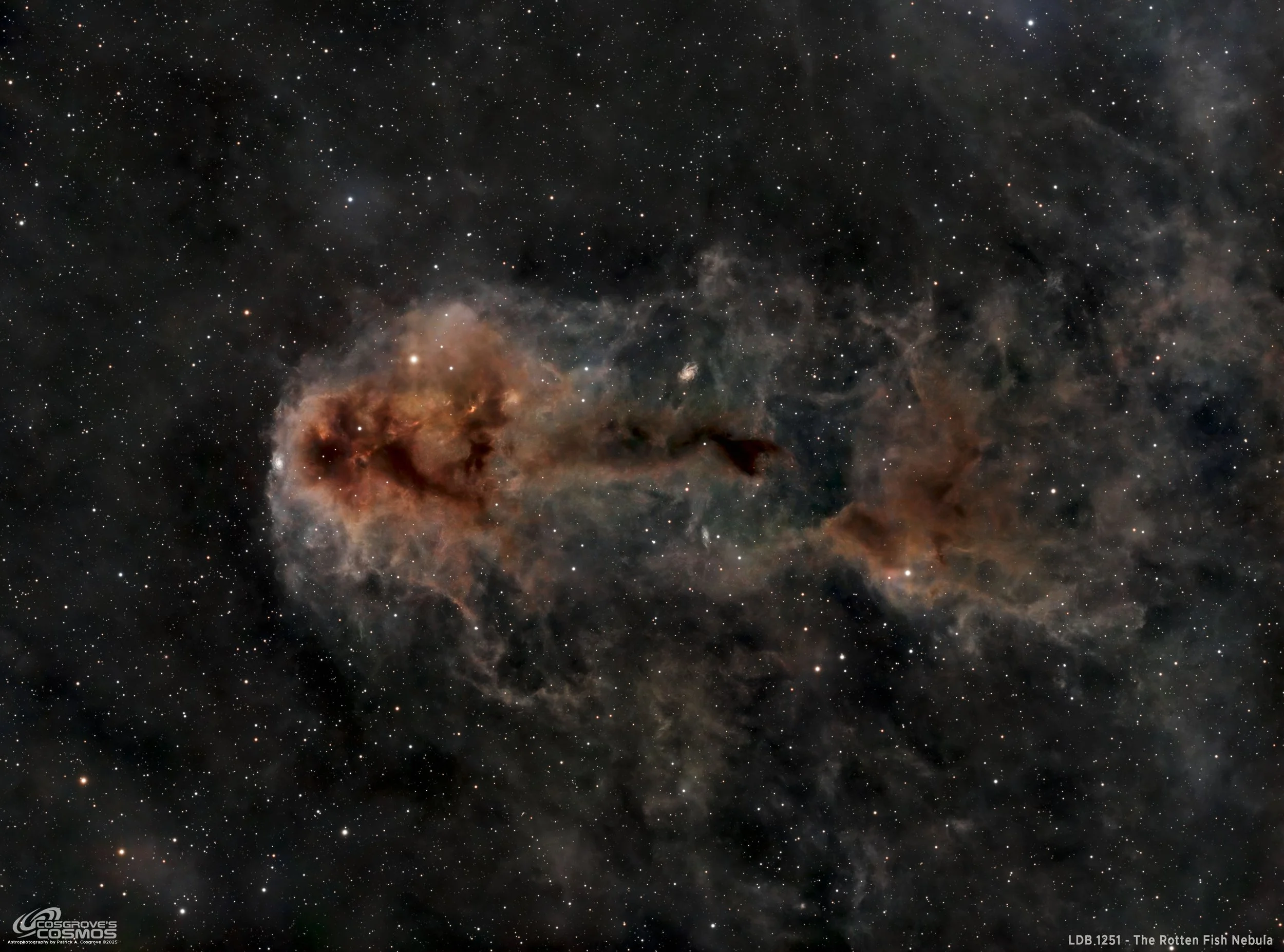
My second dark nebula image ever!
This image results from 19 hours of LRGB exposure with my FRA400 scope.
This was a challenging image to process as the nebula was so tenuous. I also had to deal with microlensing effects on the bright stars due to the ASI1600MM-Pro sensor.

SH2-124 is a rich region of stars, dark dust, and emission nebulae located about 8,500 light-years away in the constellation of Cygnus.
This image is the result of 14.2 hours of SHOrgb data collection with my small Akskar FRA400 telescope platform.
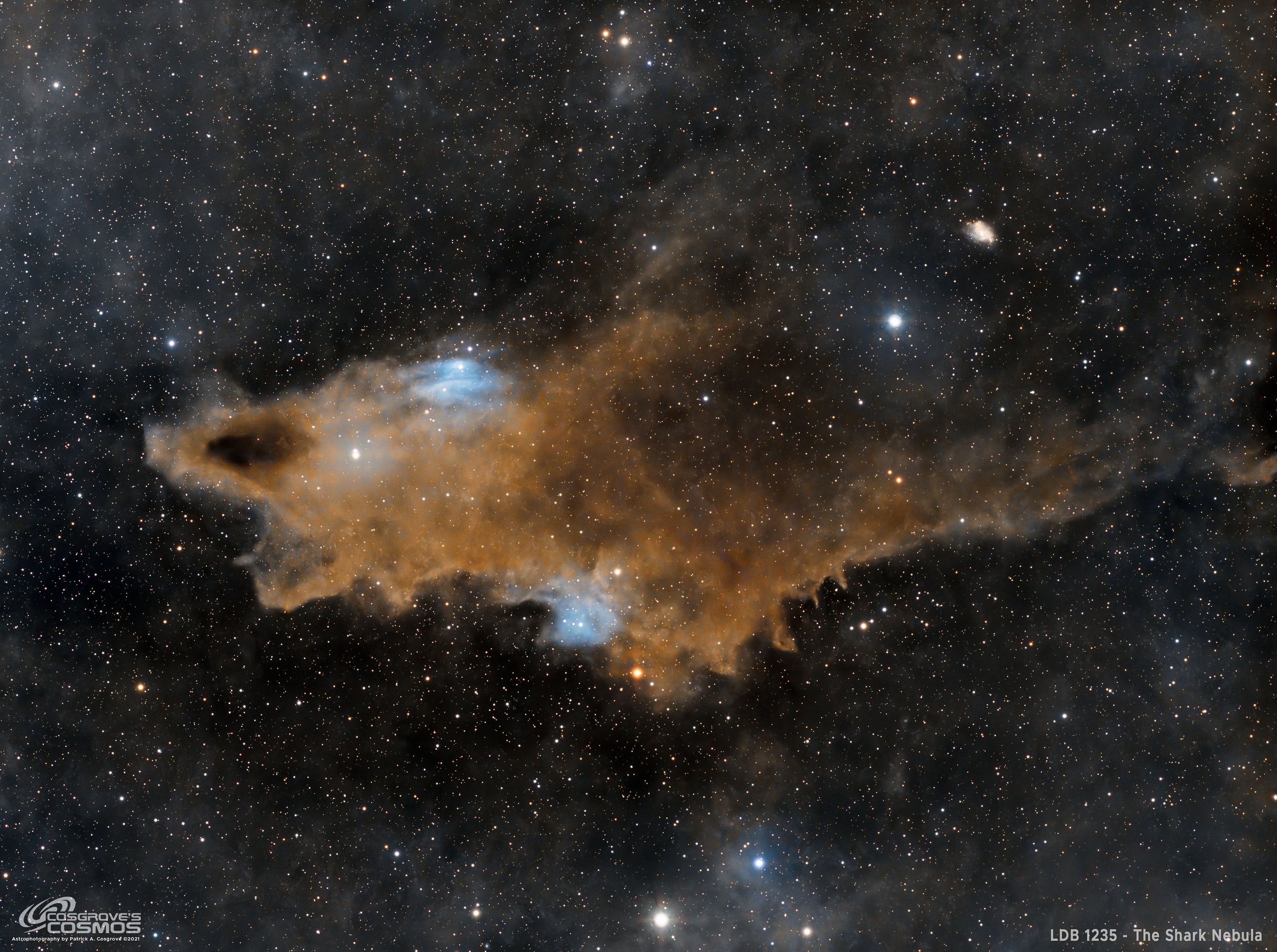
My first dark nebula image!
This image results from 7.4 hours of LRGB exposure with my FRA400 scope.
This was a challenging image to process as the nebula was so tenuous. I also had to deal with microlensing effects on the bright stars due to the ASI1600MM-Pro sensor.

Markarian’s Chain is a group of galaxies 50M light-years away moving together through space.
This image results from 4.6 hours of LRGB exposure from my FRA400 scope. This is the first image from this scope since it was moved to the new observatory!
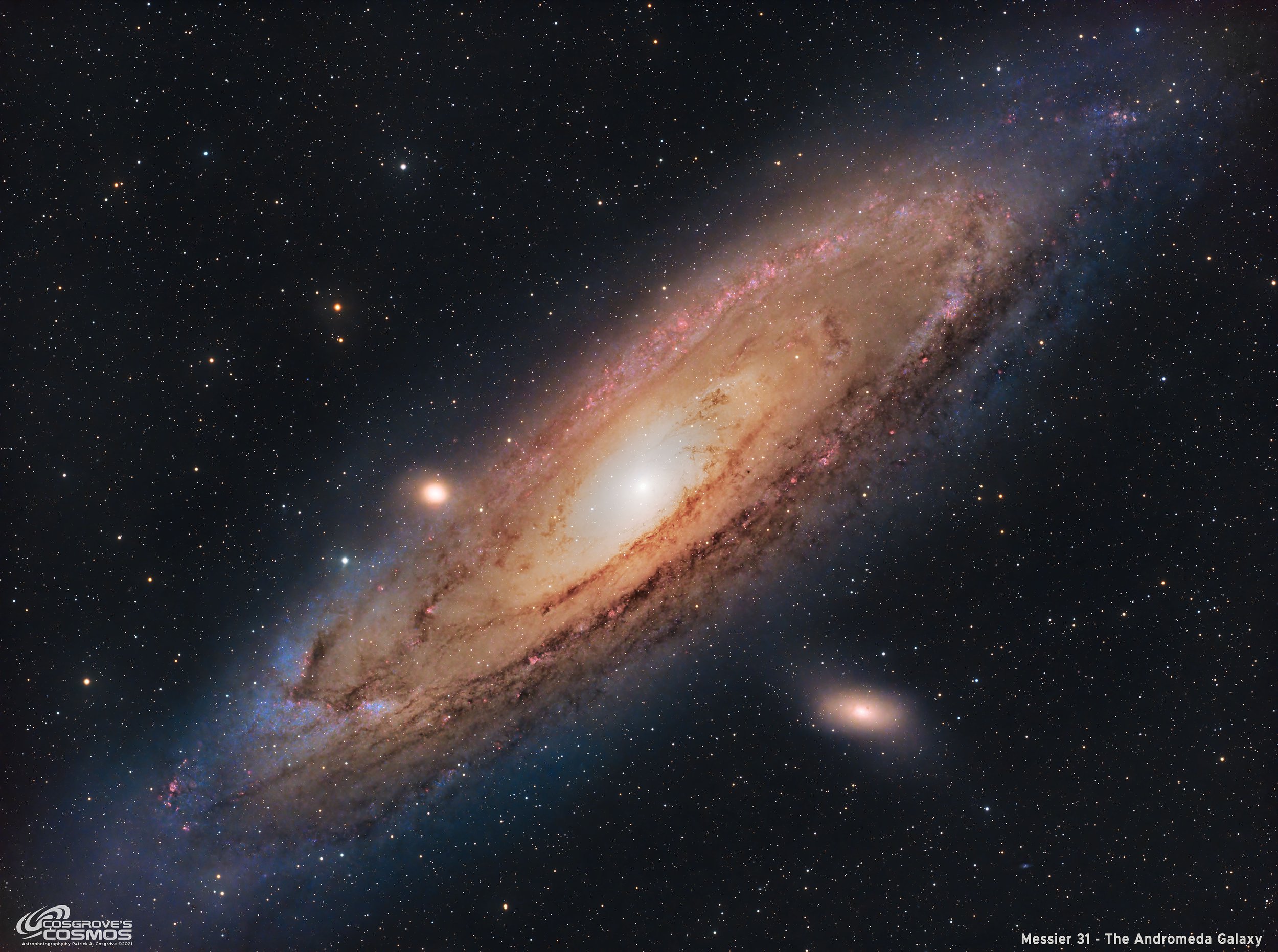
This version of M31, taken in November 2021, is my favorite. But it has been a few years since I first captured and processed this data. I have learned a lot since then, and I also have some excellent new processing tools at my disposal, so I wanted to see where I would end up if I were to start from scratch with the data, and this is the result!
Let me know what you think of this new image!
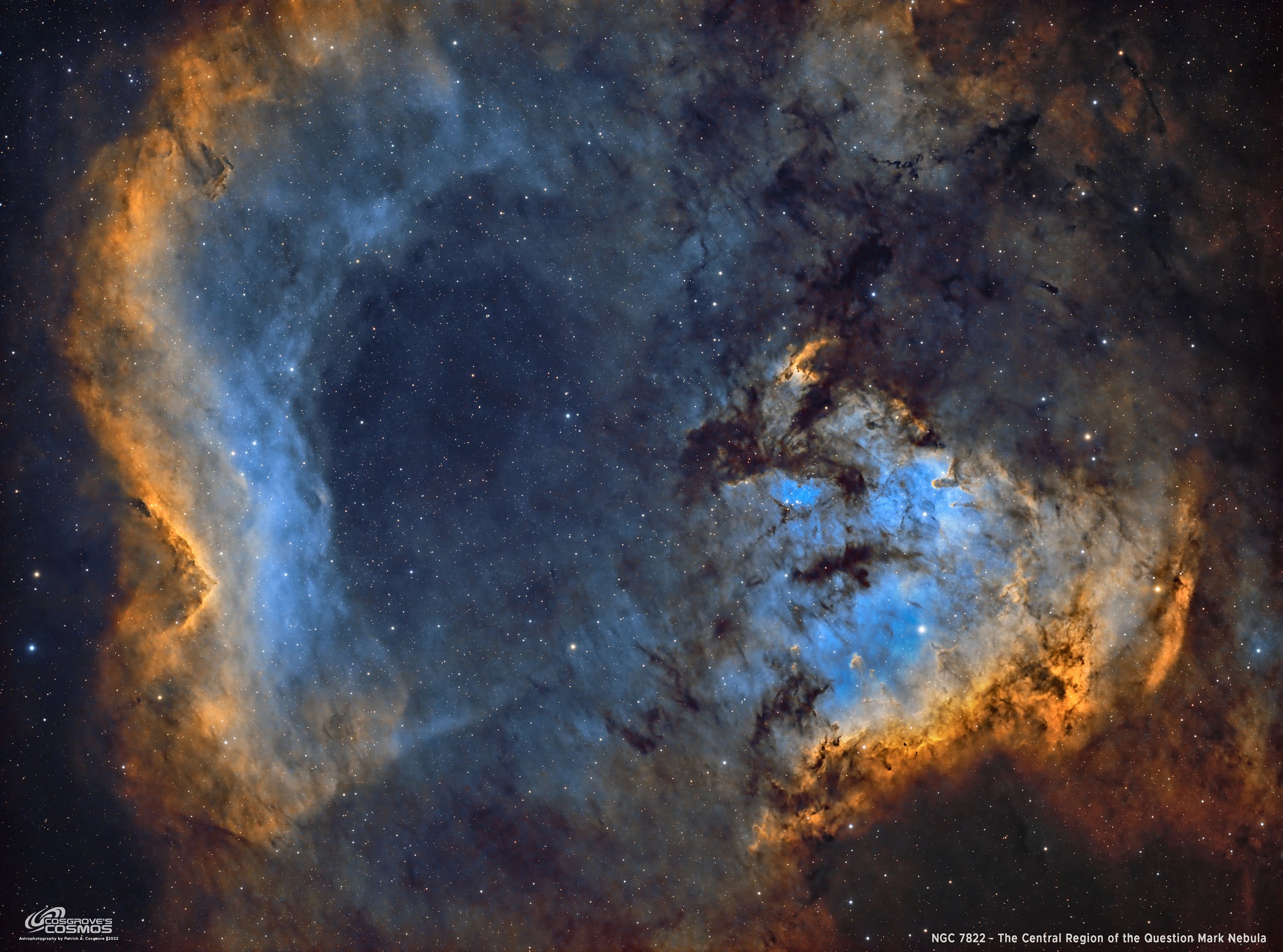
NGC 7822 is the Clamshell Nebula - located 2900 light years away in the constellation of Cepheus. This is a very large target, and with my smallest scope, I could still only fit the central portion of this complex area into the camera's field of view. This image results from just under 14 hours of integration and consists of a mix of narrowband data for the nebula and broadband RGB data for the stars.
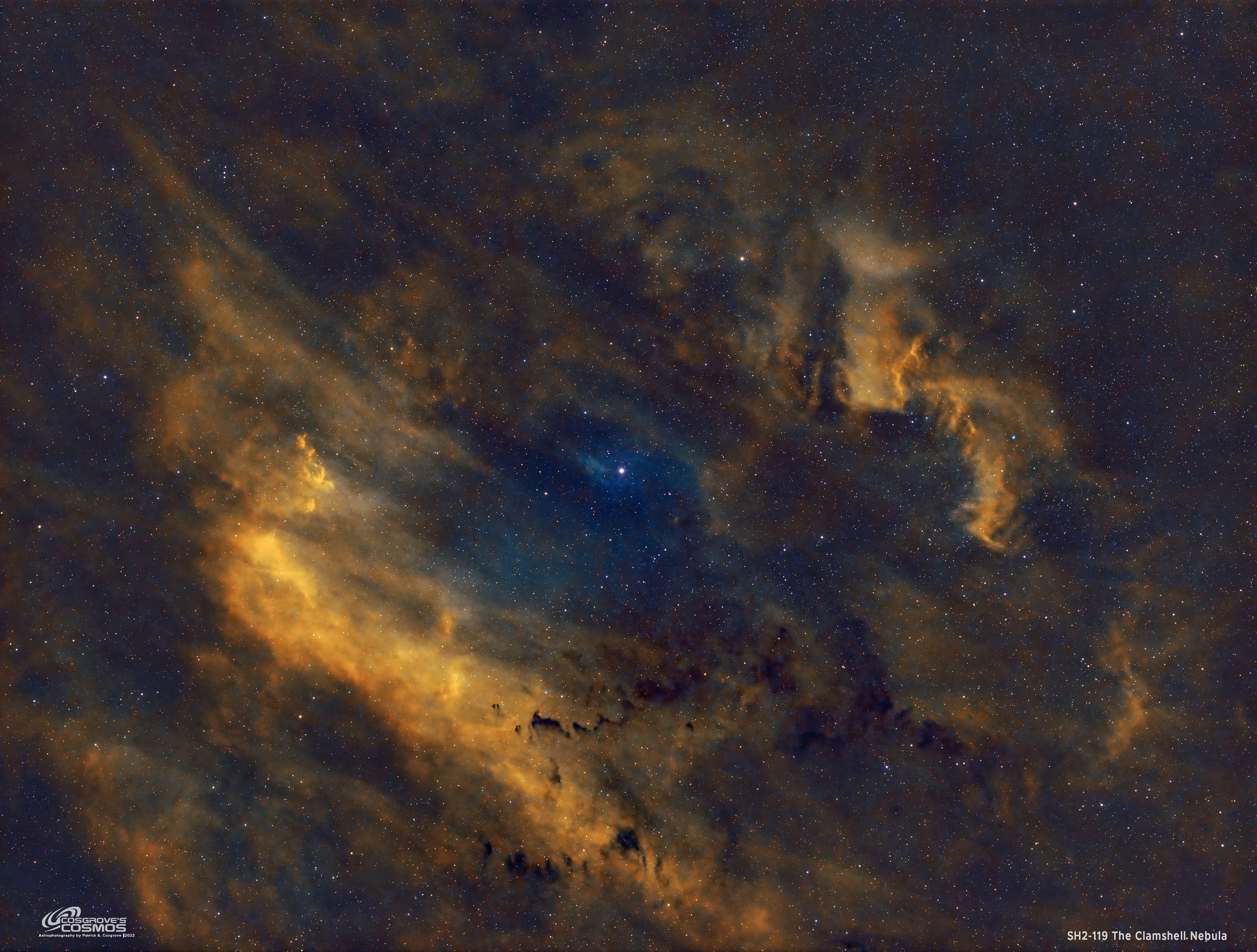
My second image of the year started as a disaster and motivated me to move to NINA. I spent a few nights learning NINA during the bright Moon cycle, knowing the subs would be a waste. Lo and behold, there was an image there!
This is SH2-119—The Clamshell Nebula—3.5 hours in SHO. Read the story of my trials and tribulations that led to this image!
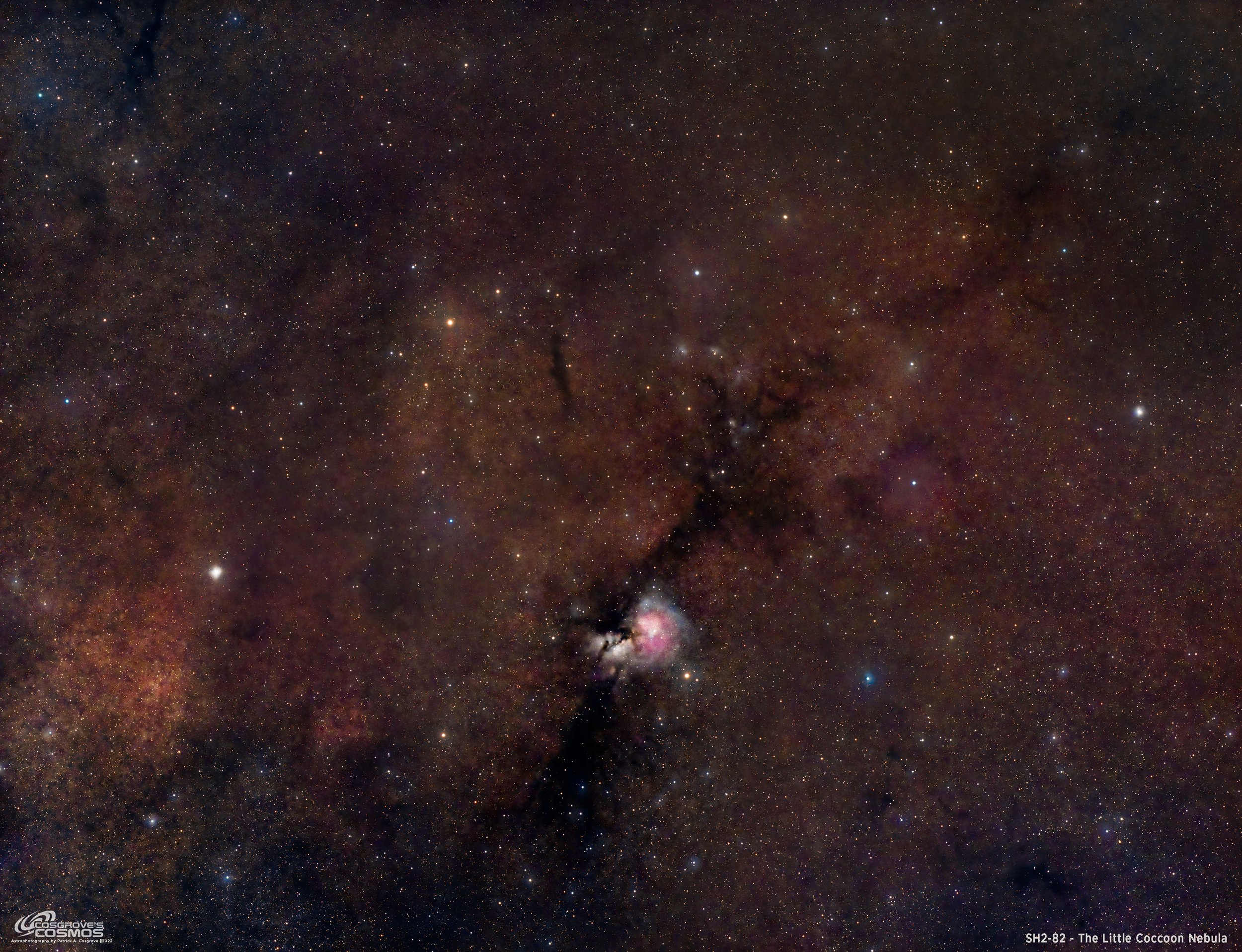
My first image of the year - and my first image from my new home after the move!
This is SH2-82—The Little Cocoon Nebula—7.3 hours in LRGB. Located ~4,000 light-years away in the constellation Sagitta, this emission/reflection nebula is in a rich region of the sky with a multitude of stars and dark dust lanes.
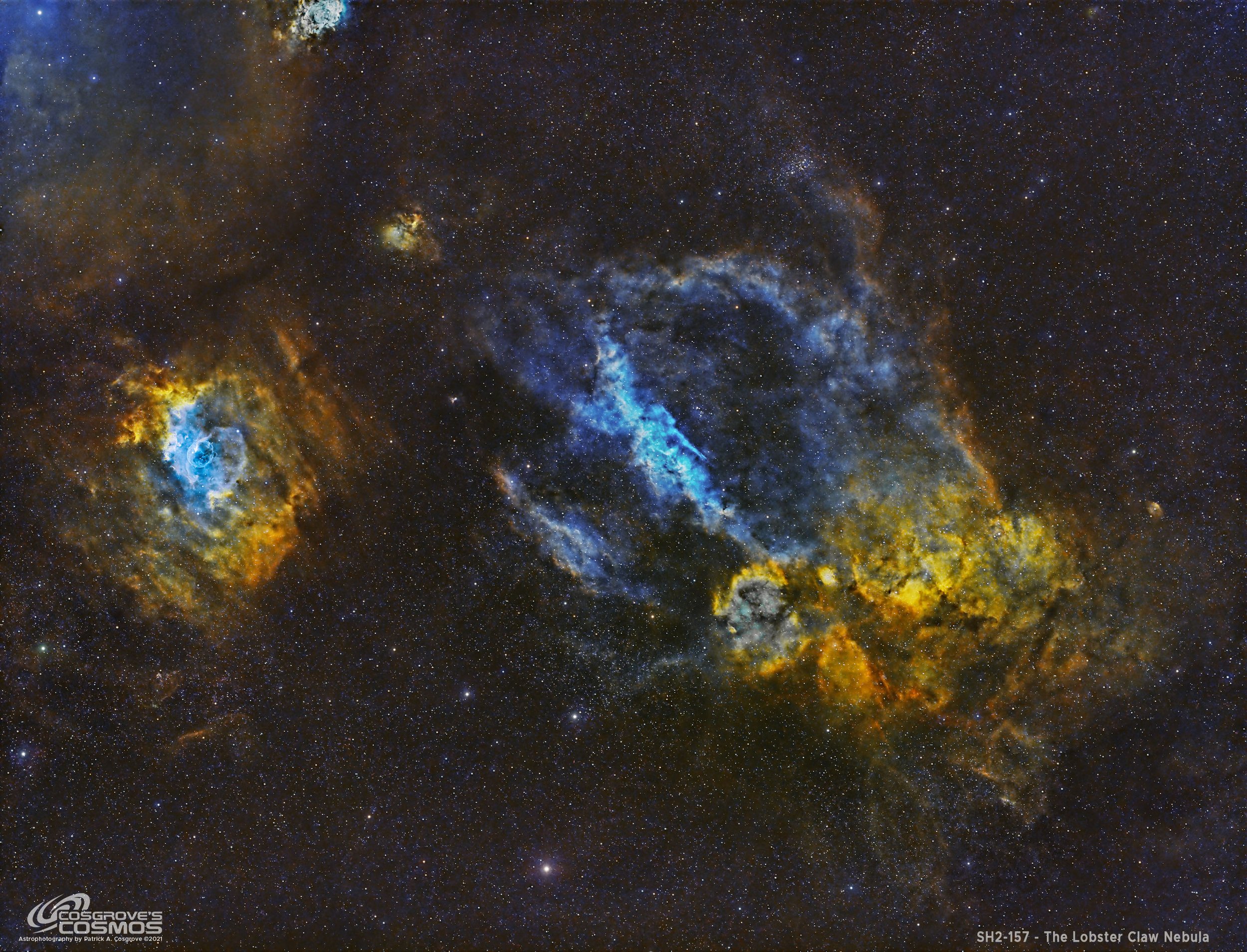
SH2-157, The Lobster Claw Nebula, is located 11,000 light-years away in the constellation of Cassiopeia. This is a Reprocess Project - working with data in 2024 that was captured in 2021. I wanted to see if I could improve on this image. I think I did!
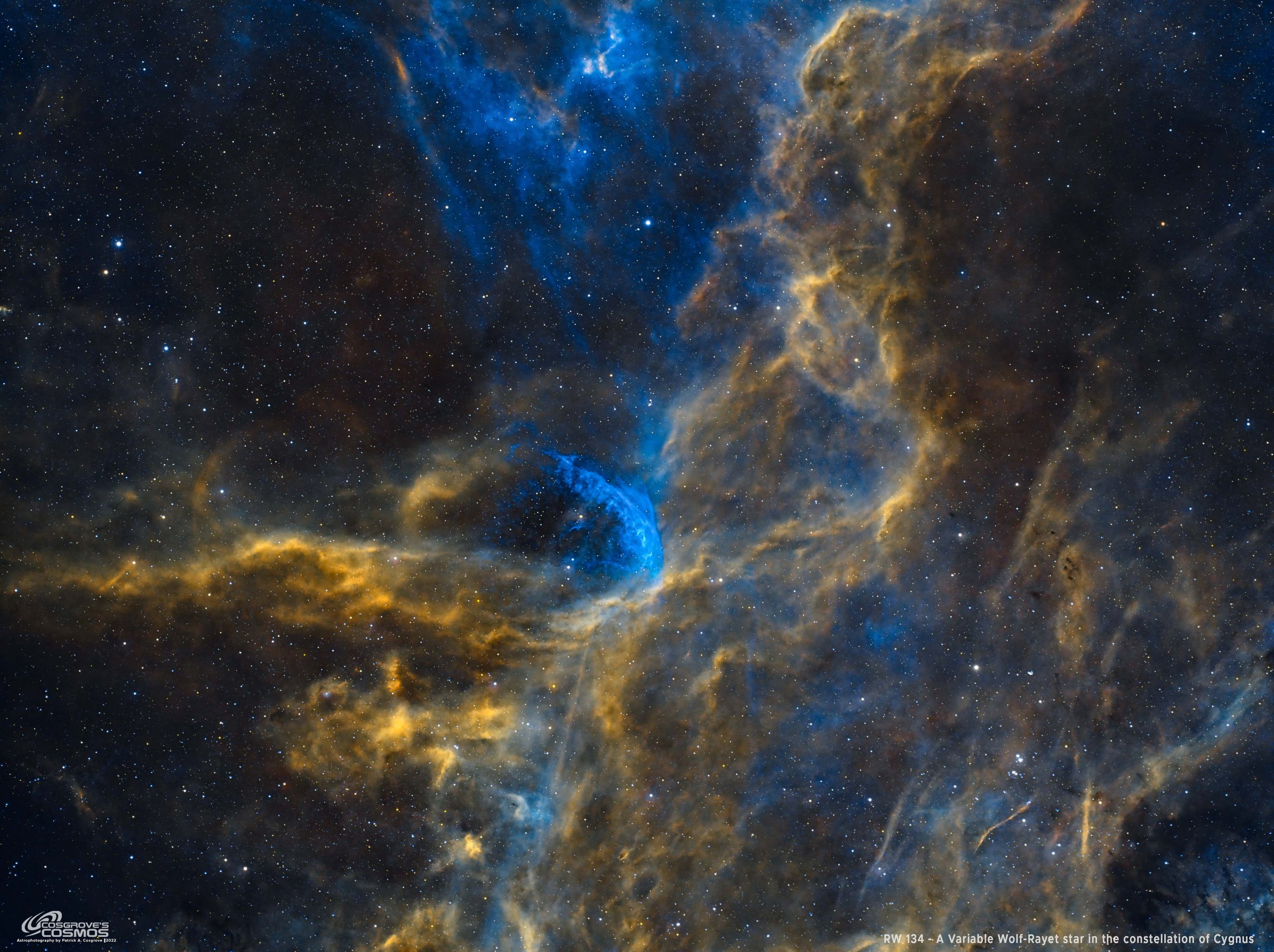
This is the third and final Imaging Project resulting from data collected during a recent - and very rare for this year - clear string of nights!
This is WR134 - a Variable Wolf-Rayet Star located 6,000 light-years away in the constellation Cygnus. This is a very interesting and rich area of the sky with a lot of objects in view. This includes WR134, WR135, and WR137 - the very first Wolf-Rayet stars ever found. These stars stood out as they had broad emission lines in their spectra instead of just absorption lines typically seen in stars.. These stares are massive and hot and have short lives.
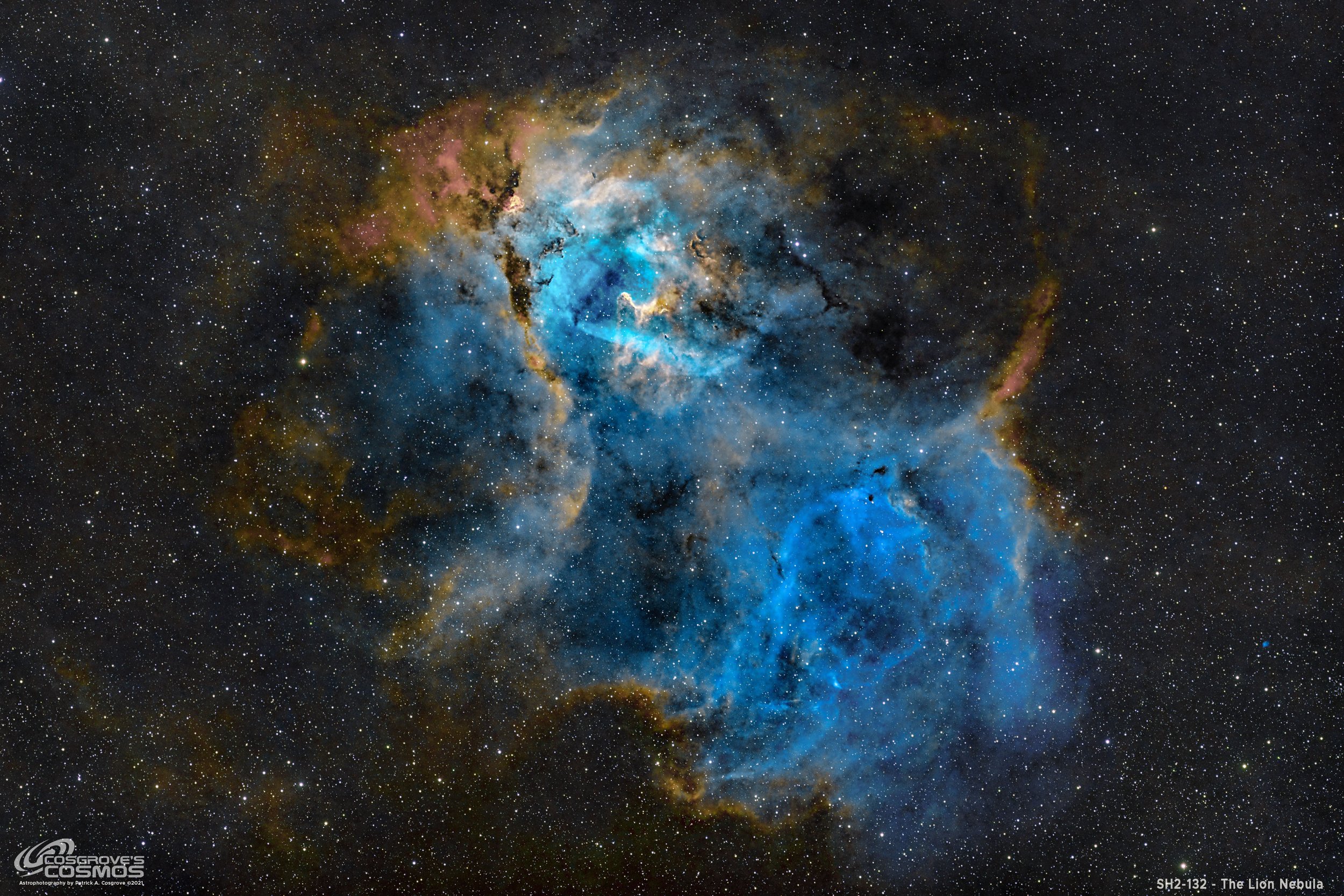
This is an Image Reprocessing Project for SH2-132, also known as The Lion Nebula - whose data was originally collected in September of 2021.
The Lion Nebula is a rich HII region with star clusters, emission nebulae, and dark dust regions. Located in the southern portion of the constellation Cepheus, the Lion Nebula is roughly 10,00 light-years away in the Perseus Arm of the Milky Way Galaxy. This is a very faint and challenging target.
This image was taken on the Askar FRA400 Platform with 8.33 hours of exposure in narrowband.
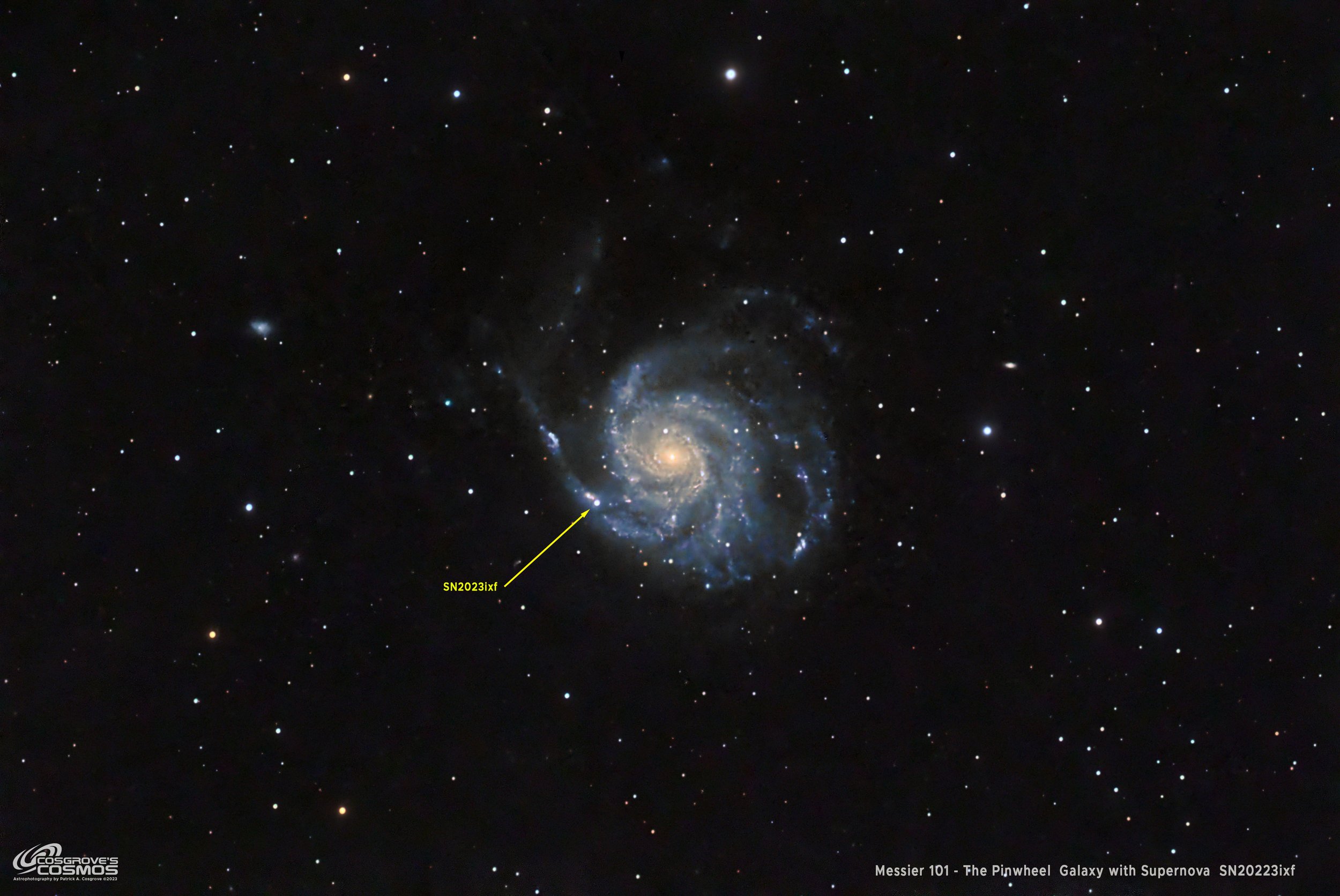
With the recent discovery of a bright supernova in the well-known Messier 101 - The Pinwheel Galaxy - a lot of astrophotographers have been going out of their way to grab an image of this galaxy during this event.
As a result, there are many - probably TOO many - images of this going around.
So why take an image myself? Is it because I think I can do better? NOPE! After all, I shot this on a widefield scope not suitable for galaxies, and I ended up shooting through smoke and with too little integration. So why do it?
Well - I wanted my own image of this event- and I wanted an excuse to explore what supernovae really are - after all - here I am looking at one!
So this posting will delve into this topic….
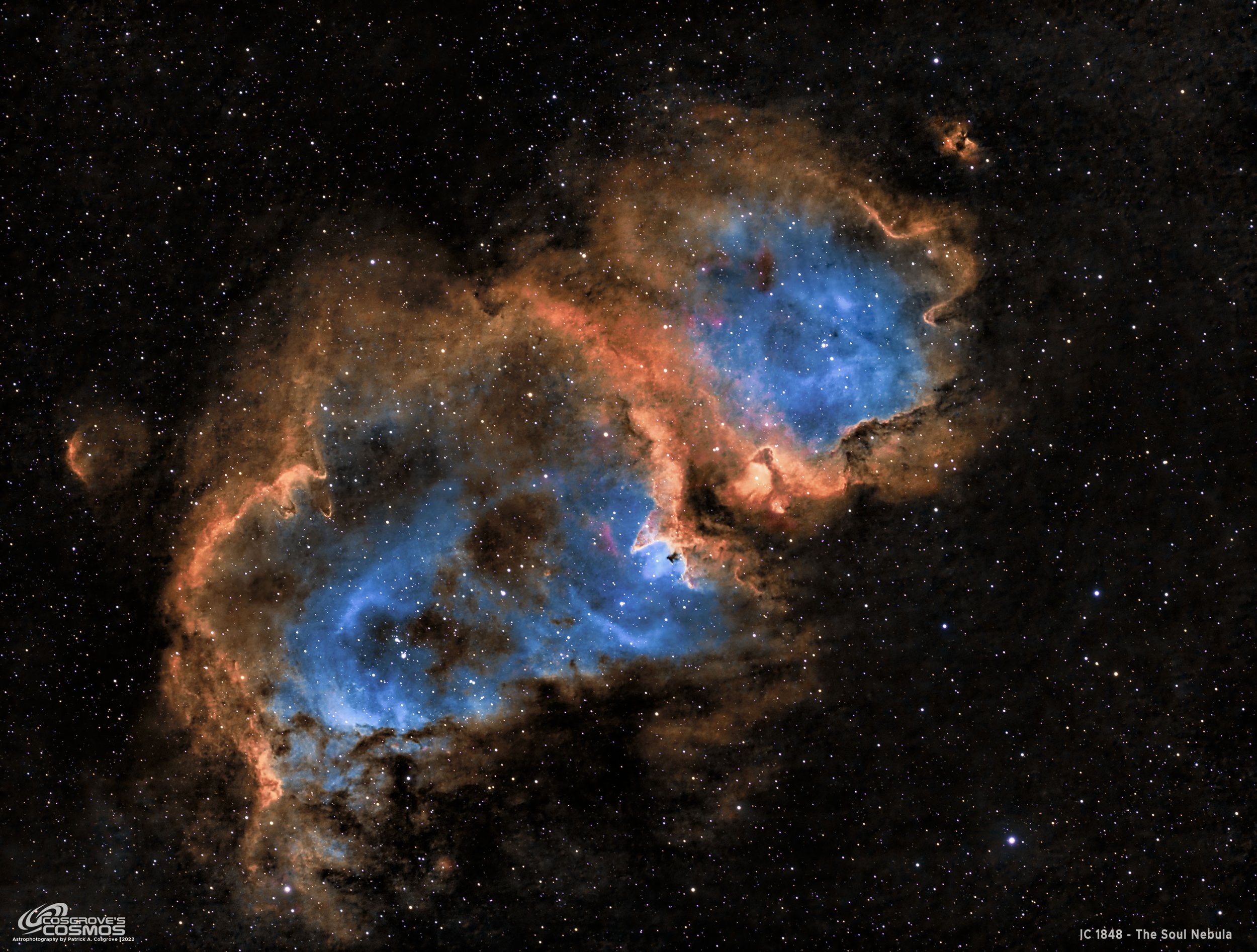
IC 1848, Better known as The Soul Nebula, is an emission nebula located 6,500 light-years away in the cancellation of Cassiopeia.
This image results from 6.8 hours of narrowband data collected with my Askar FRA400 Astrograph and my ZWO classic ASI1600MM-Pro camera on the nights of Oct 20 and 22 and Nov 23 of 2022.
The first two nights were collected using the IOPtron CEM26 mount, and the third night was collected using a brand new ZWO AM5 Harmonic mount. This was the first time using the AM5, and it did an exceptional job with tracking errors reduced by 400%!
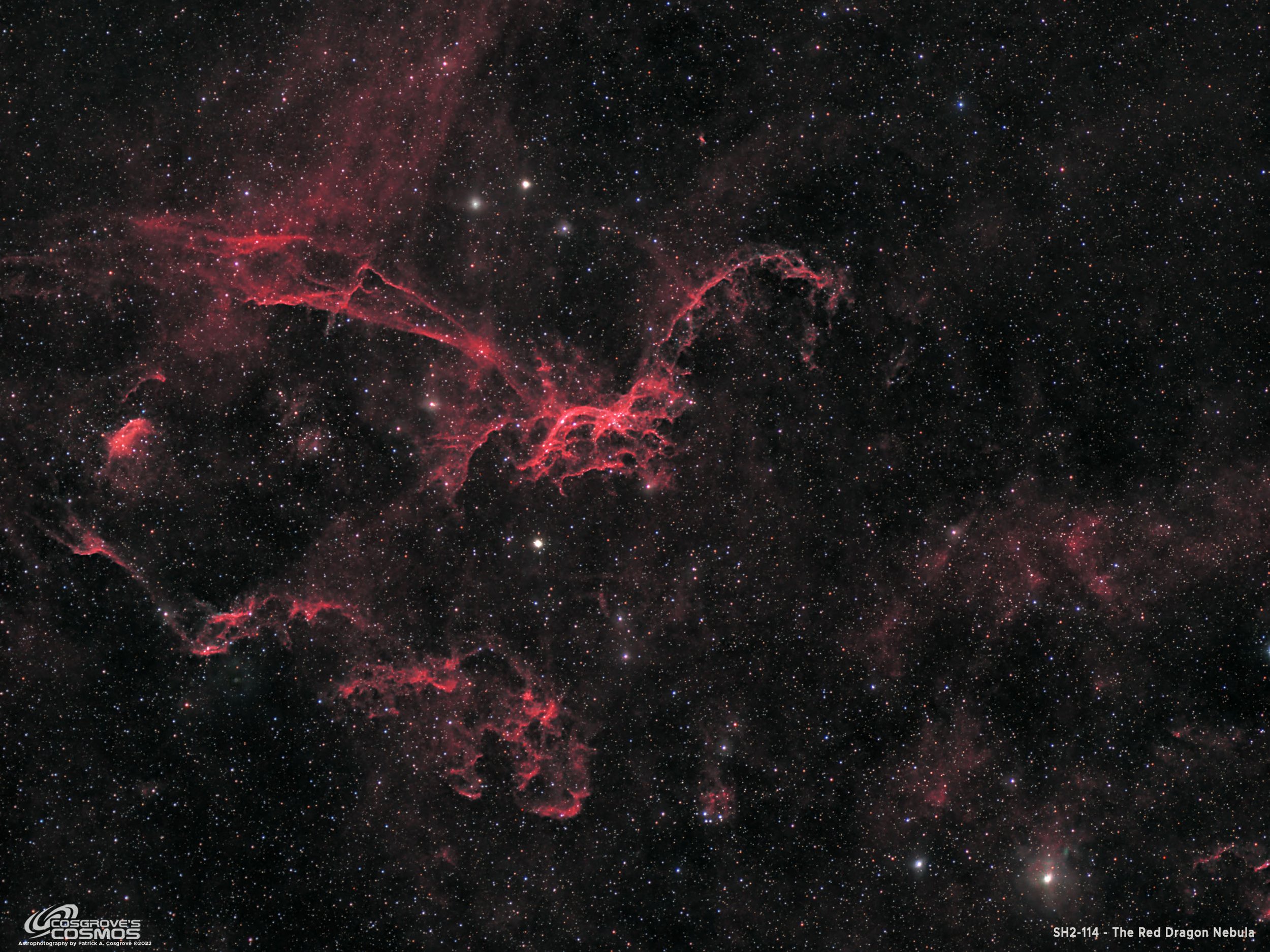
SH2-114 - The Flying Dragon Nebula - is an extremely faint emission nebula found in Cygnus. This has proven to be a challenging target. Primarily shot as a Bi-Color Narrowband Ha/S2 image, I found it was very hard to see the nebula in a single 5-minute sub! I ended up going back to capture more data over 8 nights in total spanning two moonless cycles. I also collects RBG data so that I could replace the stars with natural color RGB stars. two moonless cycles of the moon to capture data over 8 nights. I ended up with a total of 17.5 hours - my longest integration to date! And still it was a challenge to process this image!
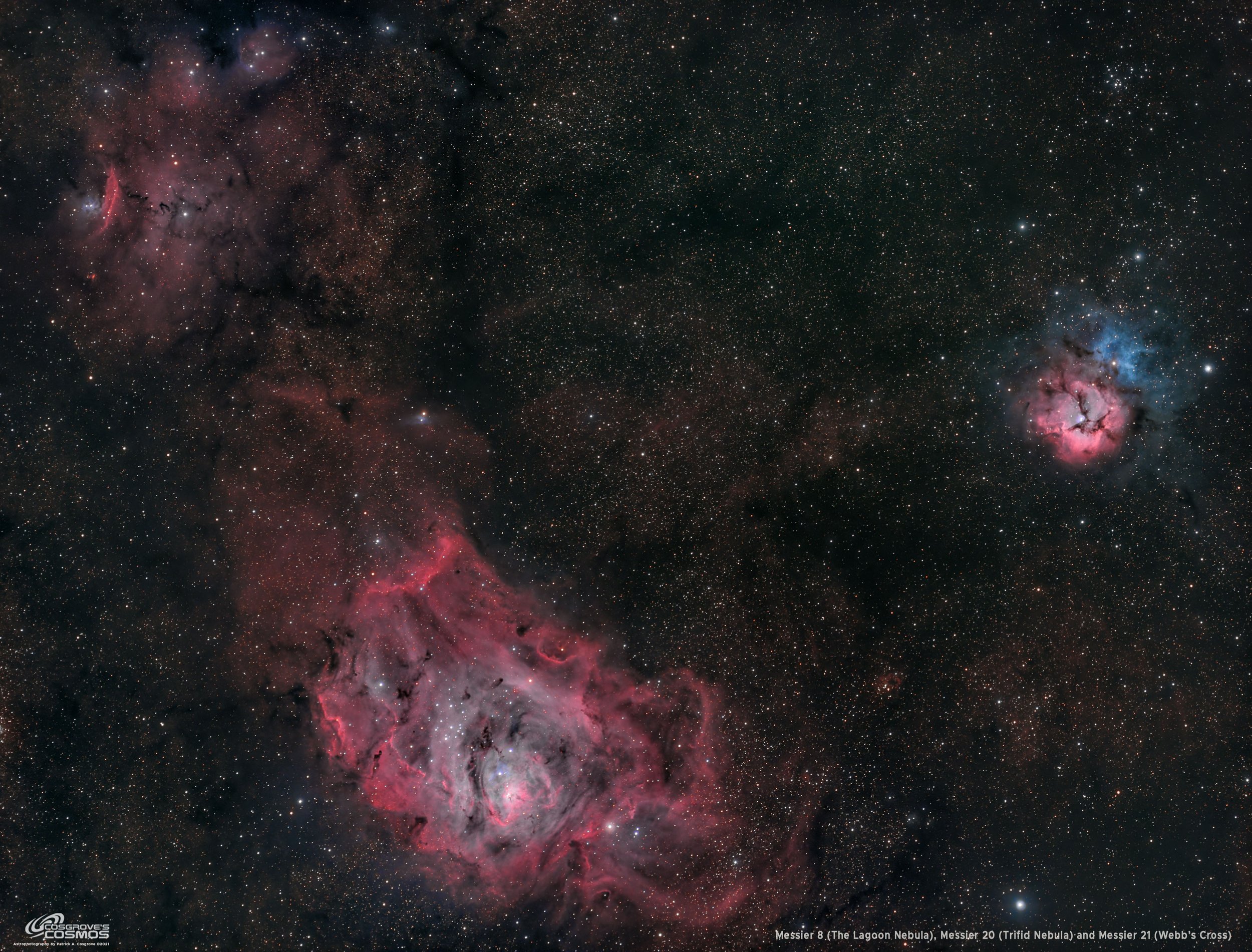
This imaging project is a group photo taken in a rich portion of the constellation Sagittarius. It is the result of just 4 hours of LHaRGB integration. In this group, you can see Messier 8 (The Lagoon Nebula), Messier 20 (The Trifid Nebula), and Messier 21 ( Webb’s Cross). Also seen is the “Fist” shaped nebula on the upper left that is most strongly associated with IC 4685. This was taken with my Askar FRA400 widefield scope platform.
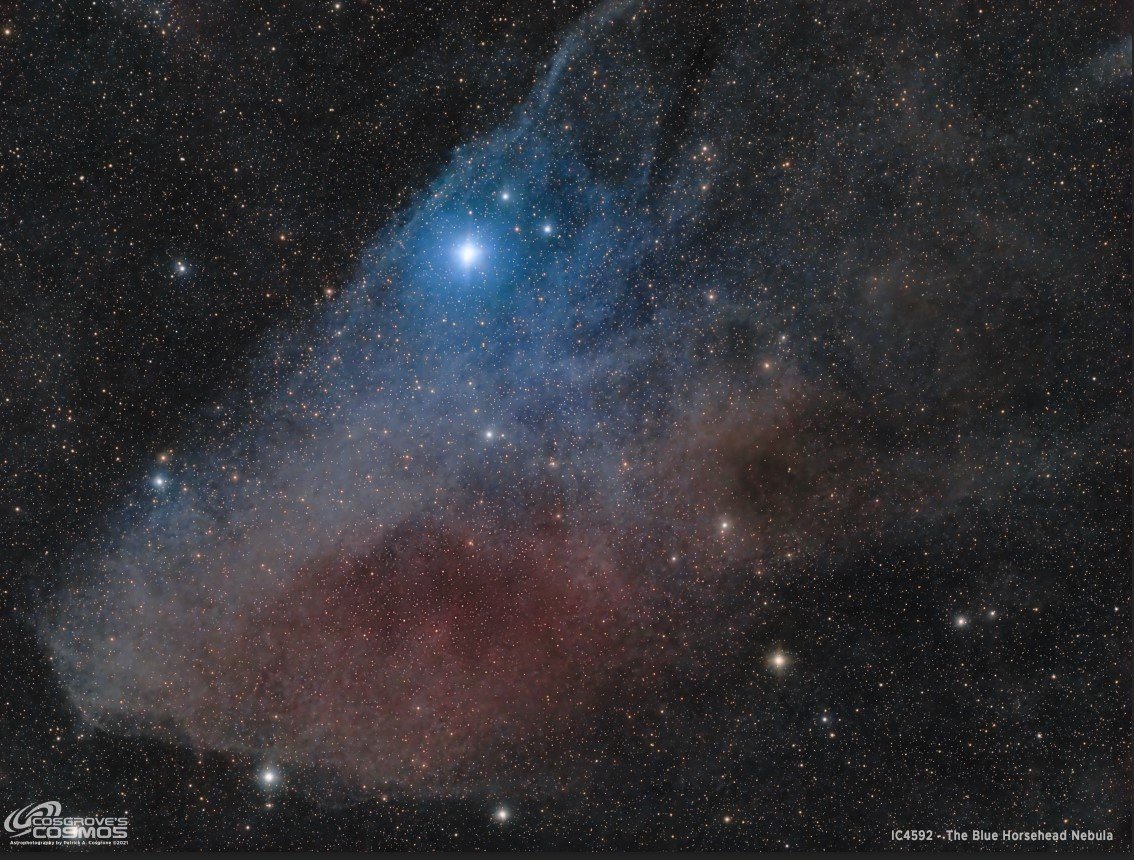
IC 4592, The Blue Horsehead Nebula is a faint reflection nebula located 400 light-years away in the constellation of Scorpius. This target is very large, measuring 1.5 x 3 degrees across was difficult to fit into the frame of my Askar FRA400 Astrograph! This beautiful and seldom imaged target was a challenge for me as it was located very low in the southern sky in an area with the smallest gap between my tree lines. About one hour of data was collected each night over four nights to produce this image.
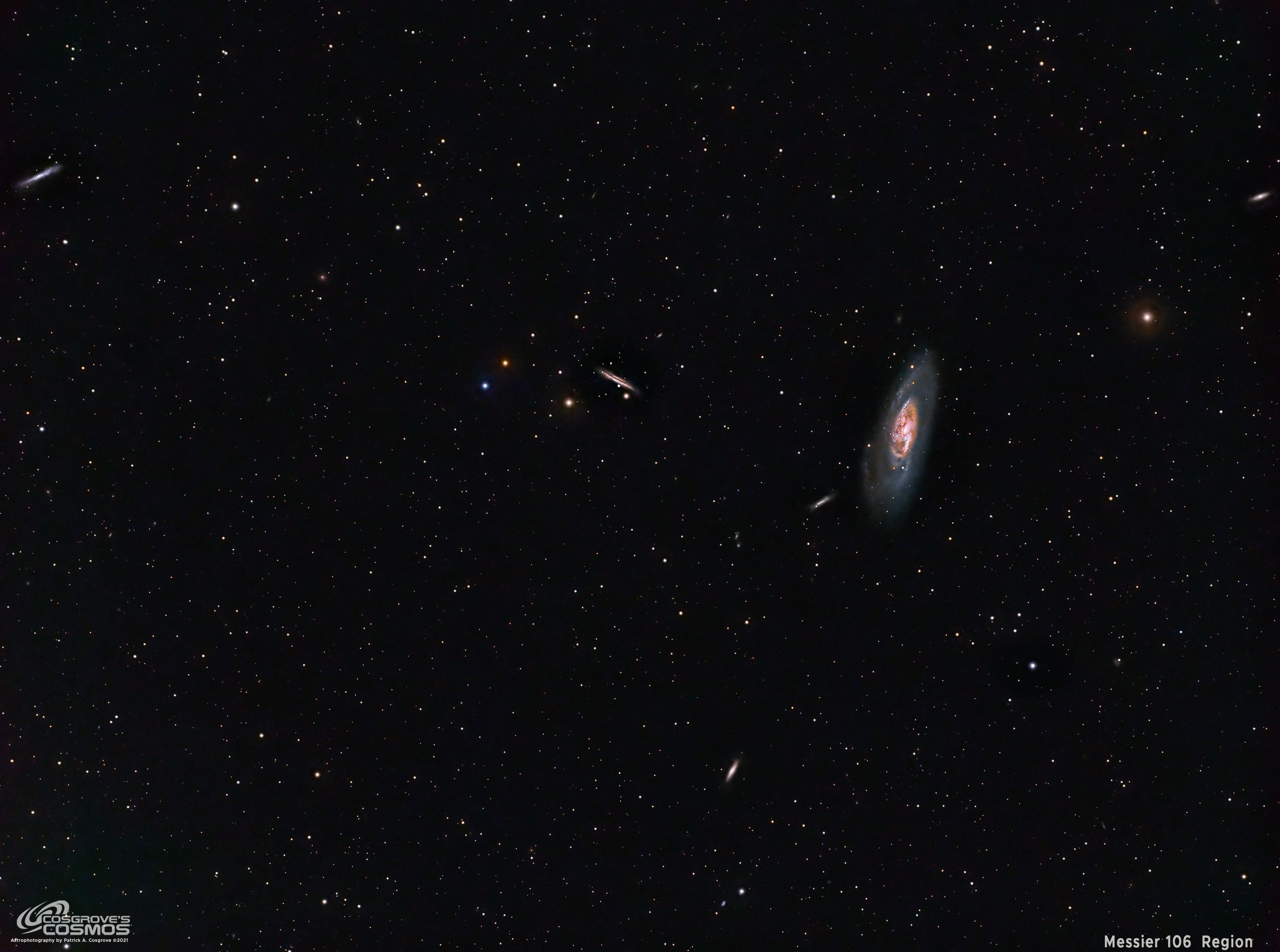
Messier 106 is a galaxy in Canes Venatici, located 20-25 million light-years away.
Galaxy Season is challenging time to find targets when you are dealing with a widefield telescope. I finally decided to image the region around M106 as it contains a host smaller galaxies.
This is a 5.6 hour integration in LRGB using my Askar FRA400 Astrograph and the ZWO ASI1600MM-Pro camera.
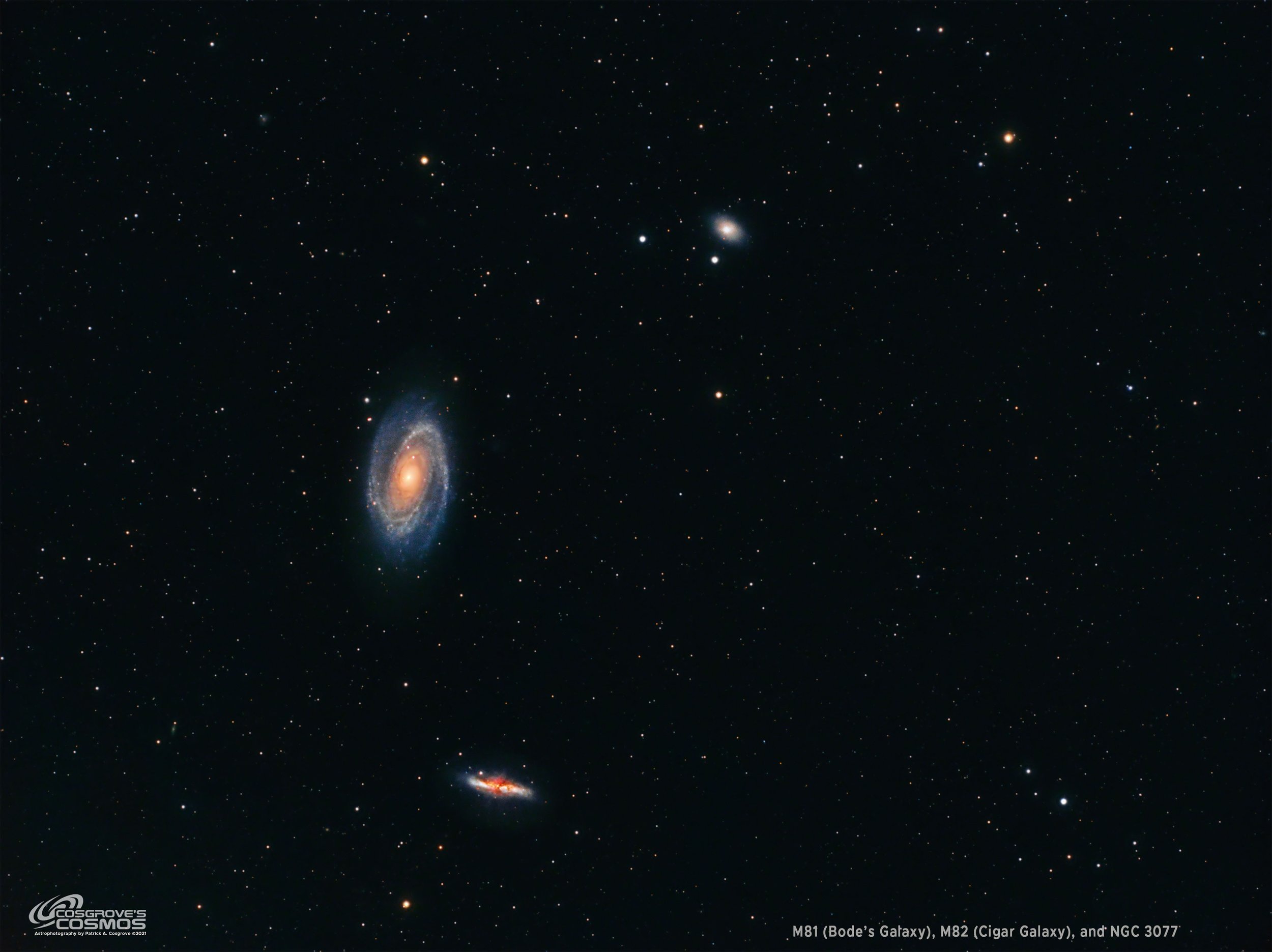
I decided to try using my widefield Askar FRA400 platform to image the region around M81 & M82 to try and capture IFN (integrated Flux Nebula). This effort failed miserably! The resulting image was not too bad, but I was not able to get the kind of integration needed to capture this elusive feature! While this was a major disappointment, the resulting image shows M81, M82, and a third small galaxy NGC 3077 in a very nice part of the sky.
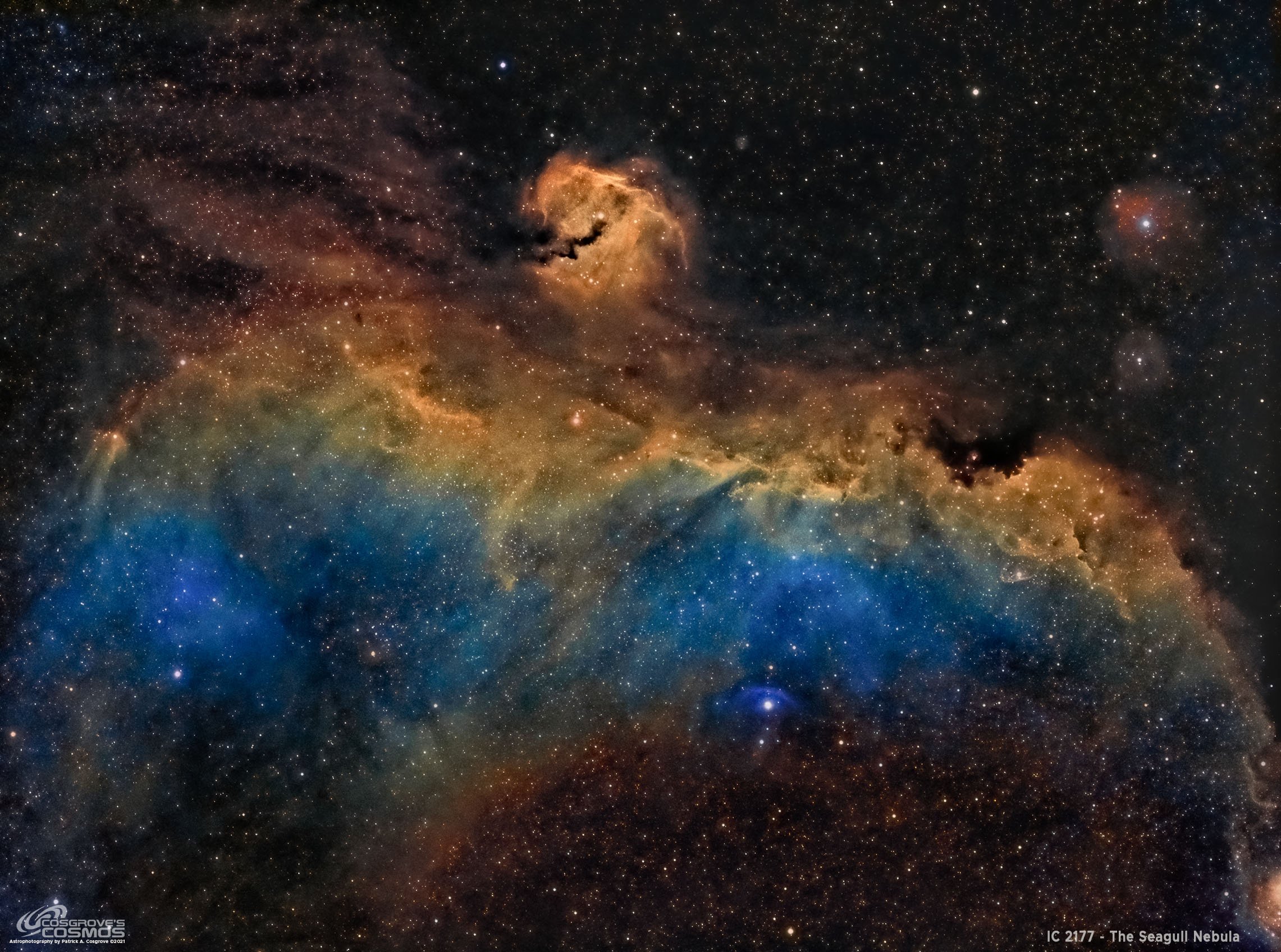
IC 2177, better known as the Seagull Nebula, is a rich HII emission region located 3650 light-years away located new the borders of the constellations Canis Magor and Monoceros.
This image results from slightly over 2 hours of narrowband integration on my 400mm wide field scope. This short integration time results from bad weather and sky access limitations due to trees on my property.
Careful processing was able to produce a reasonable image despite the lack of integration time.
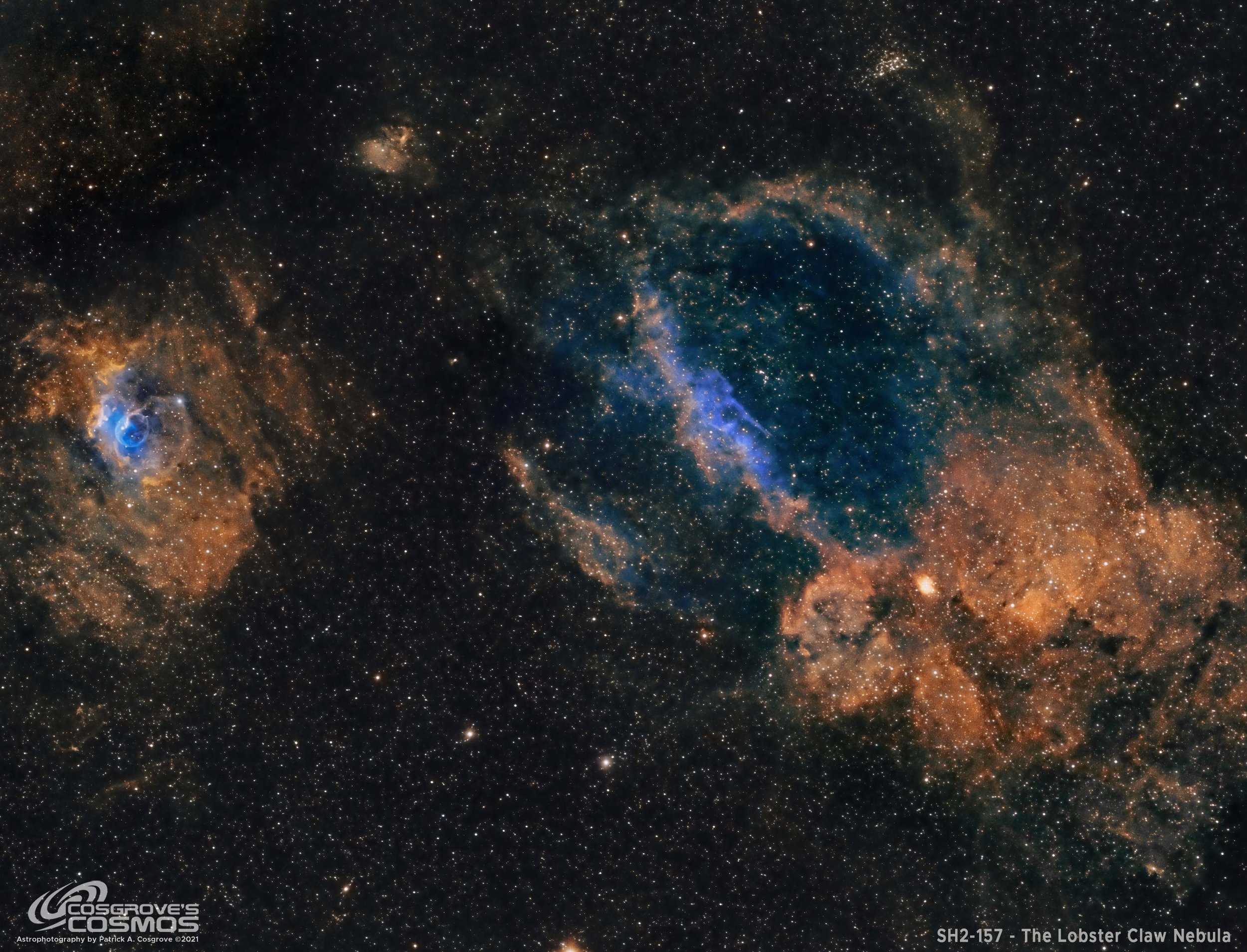
SH@-157, The Lobster Claw Nebula, is located 11,000 light-years away in the constellation of Cassiopeia. A faint object, this was captured on the night of November 8th when I hoped to have two more nights of clear weather. That did not happen and this image was created with only 4.25 hours of data. I hope to revisit this object, collect more hours and do it justice. This was shot on my wide-field FRA400 rig and is rendered in the Hubble SHO palette.
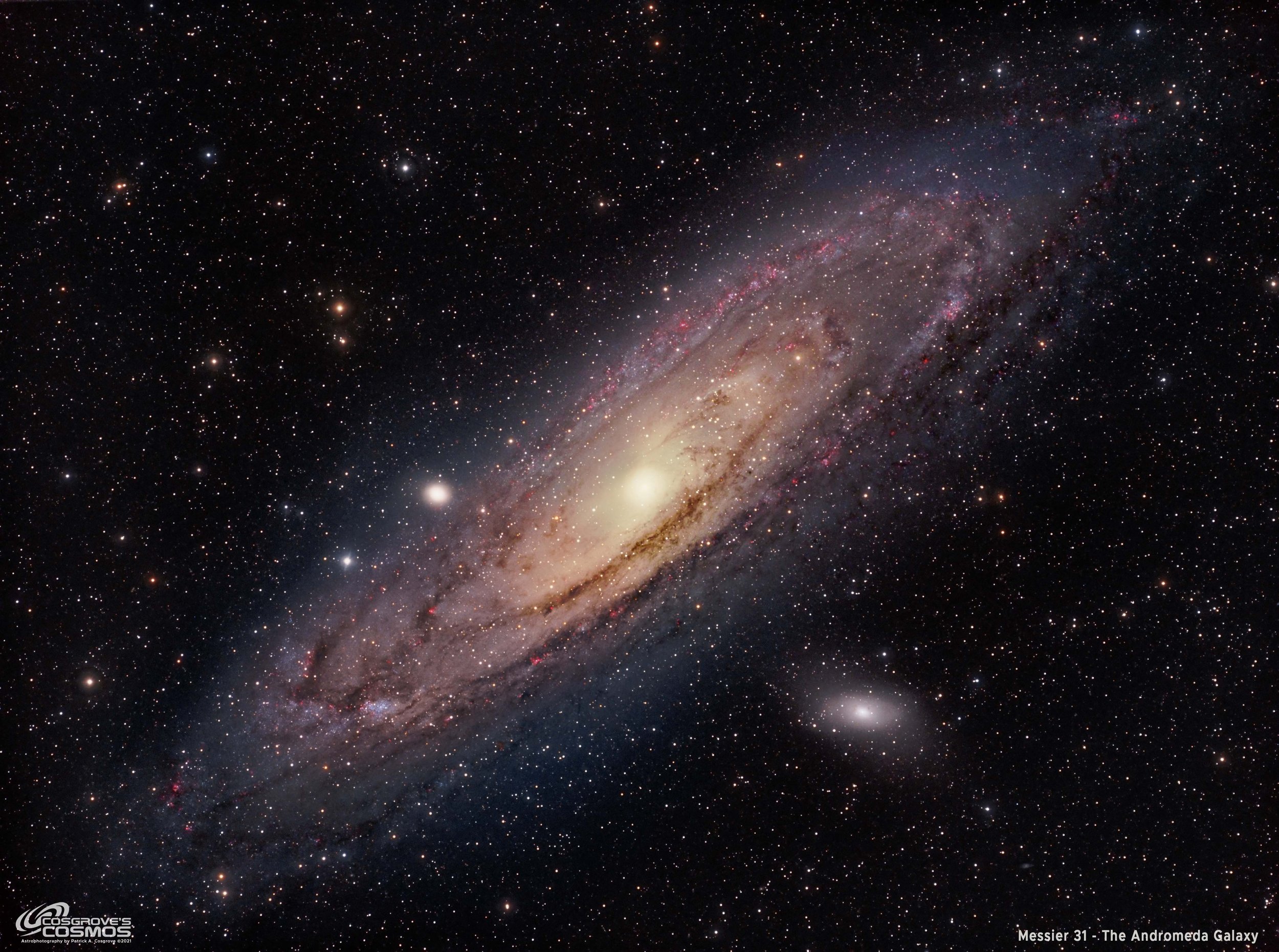
This is my third attempt at M31. This time with a widefield system that can fit the entire galaxy into the field of view., and a mono camera that allowed me to collect Ha as well as LRGB data. A total of 6 hours of data integration.
Messier 31 is also known as NGC 224 and the Andromeda Galaxy, or as the Andromeda Nebula before we knew what galaxies were. It can be seen by the naked eye in the constellation Andromeda (how appropriate!) and is our closest galactic neighbor located 2.5 Million light-years away. It is estimated that it contains about one trillion stars - twice that of our own Milky Way.
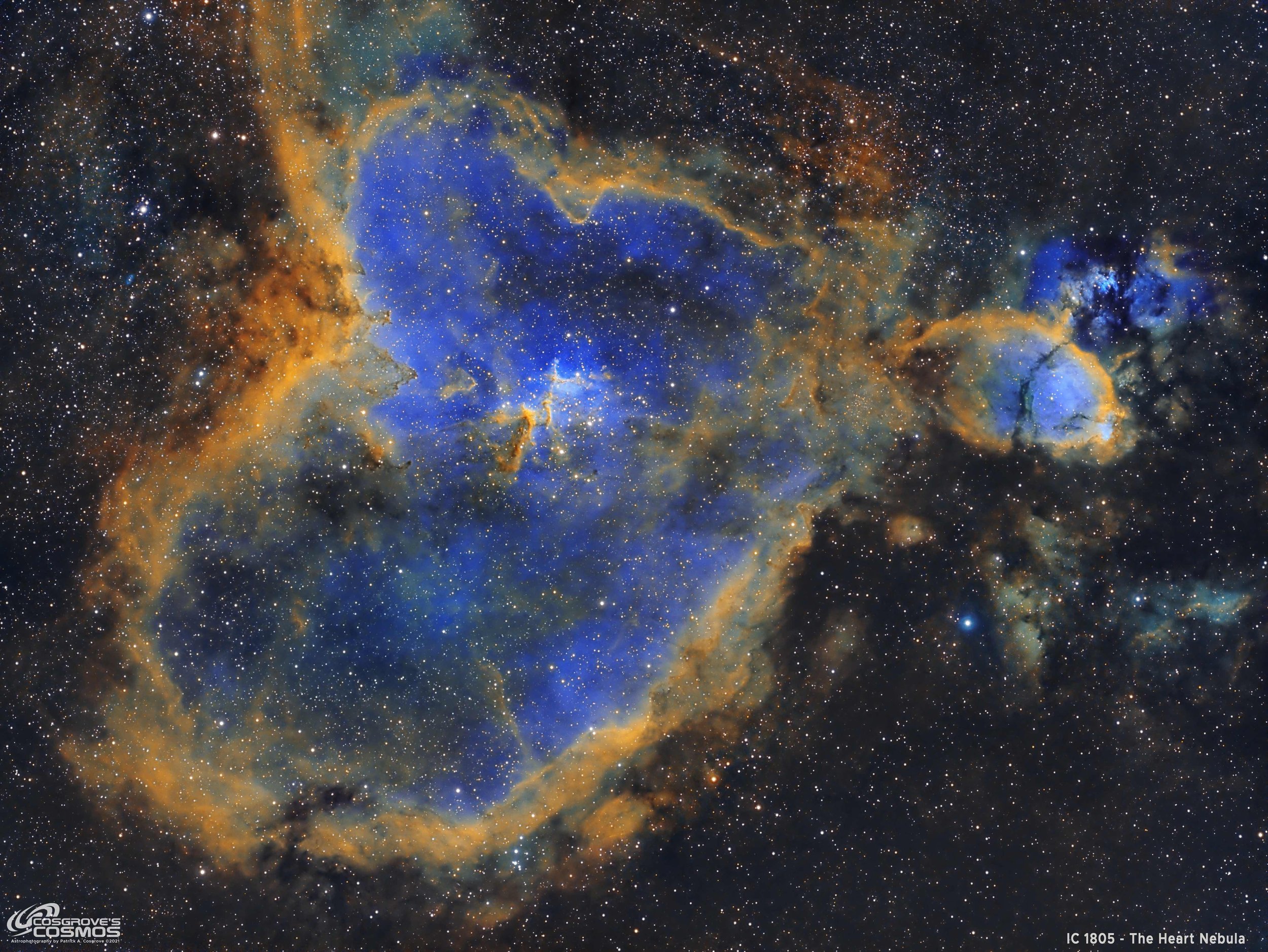
IC 1805 is also known as SH2-190 and more commonly as the Heart Nebula. It is located 7500 light-years away in the constellation of Cassiopeia. First discovered by William Herschel in 1787, the Heart Nebula is a region of glowing gas and dark dust lane.
This is a result of a 11.5 hour exposure on my widefield shot taken on my portable FRA400 camera platform - processed using the Hubble SHO palette.
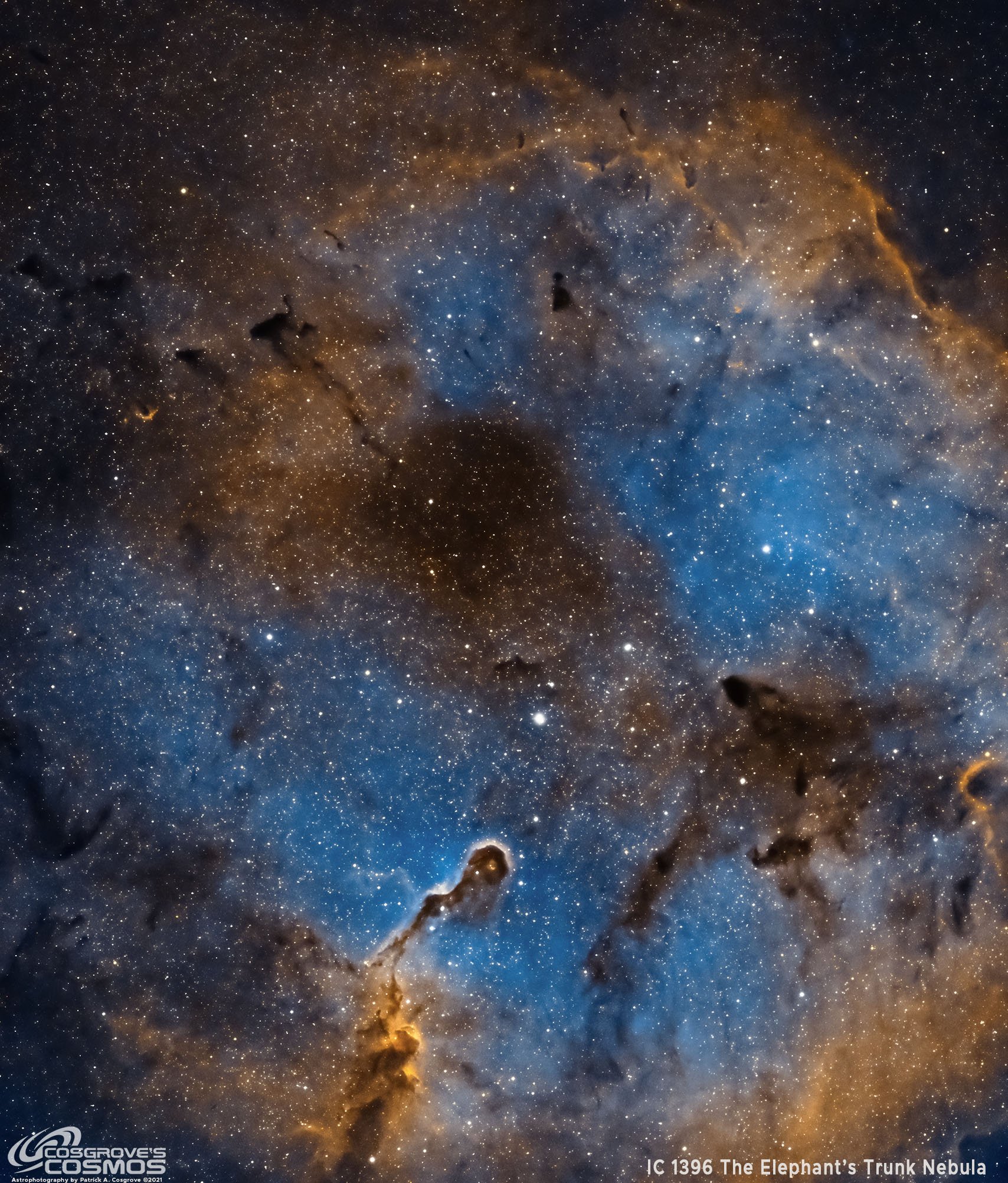
IC 1396, also known as The Elephant Trunk Nebula is rich region emission nebulae and dark dust regions. Located in the constellation Cepheus, the Lion Nebula is roughly 2400 light-years away.
This image was taken on the Askar FRA400 Platform with only 3 hours of exposure in narrowband - and was the first image where the FRA was used for portable operations on a trip to North Carolina.
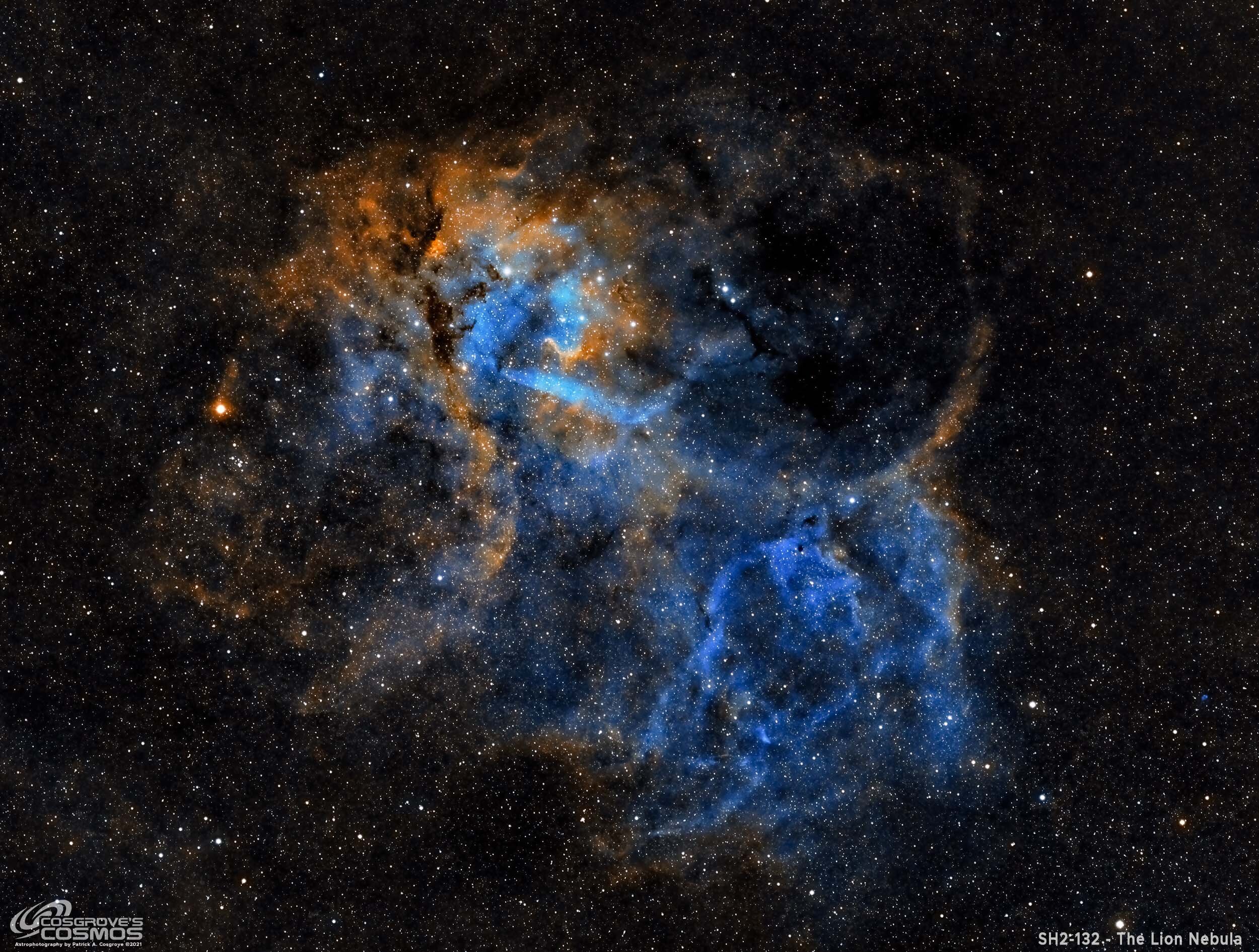
SH2-132, also known as The Lion Nebula, is a rich HII region with star clusters, emission nebulae, and dark dust regions. Located in the southern portion of the constellation Cepheus, the Lion Nebula is roughly 10,00 light-years away in the Perseus Arm of the MilkyWay Galaxy. This is a very faint and challenging target.
This image was taken on the Askar FRA400 Platform with 8.33 hours of exposure in narrowband,
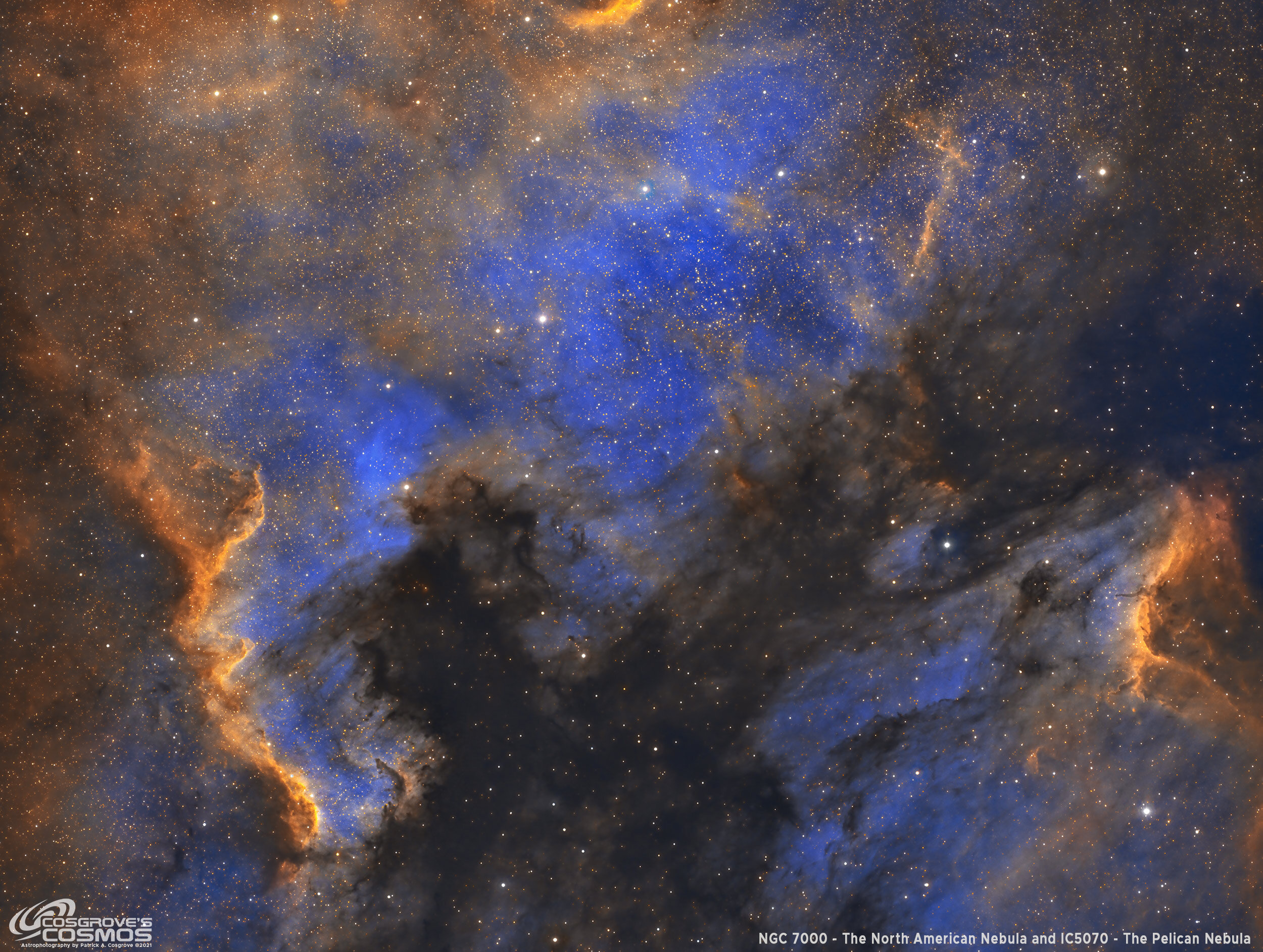
NGC 7000, also known as the North American Nebula and Caldwell 20, is a large H II emission nebula located in the constellation of Cygnus (The Swan). It measures roughly 2 degrees by 1.5 degrees in size, making the nebula about 10X larger than the area covered by the full moon.
Also included in this view is the Pelican Nebula IC 5070
This image is the result of 9.33 hours of integration in Narrowband and rendered in the Hubble Palette.
Extensive notes on image processing are included for the first time.
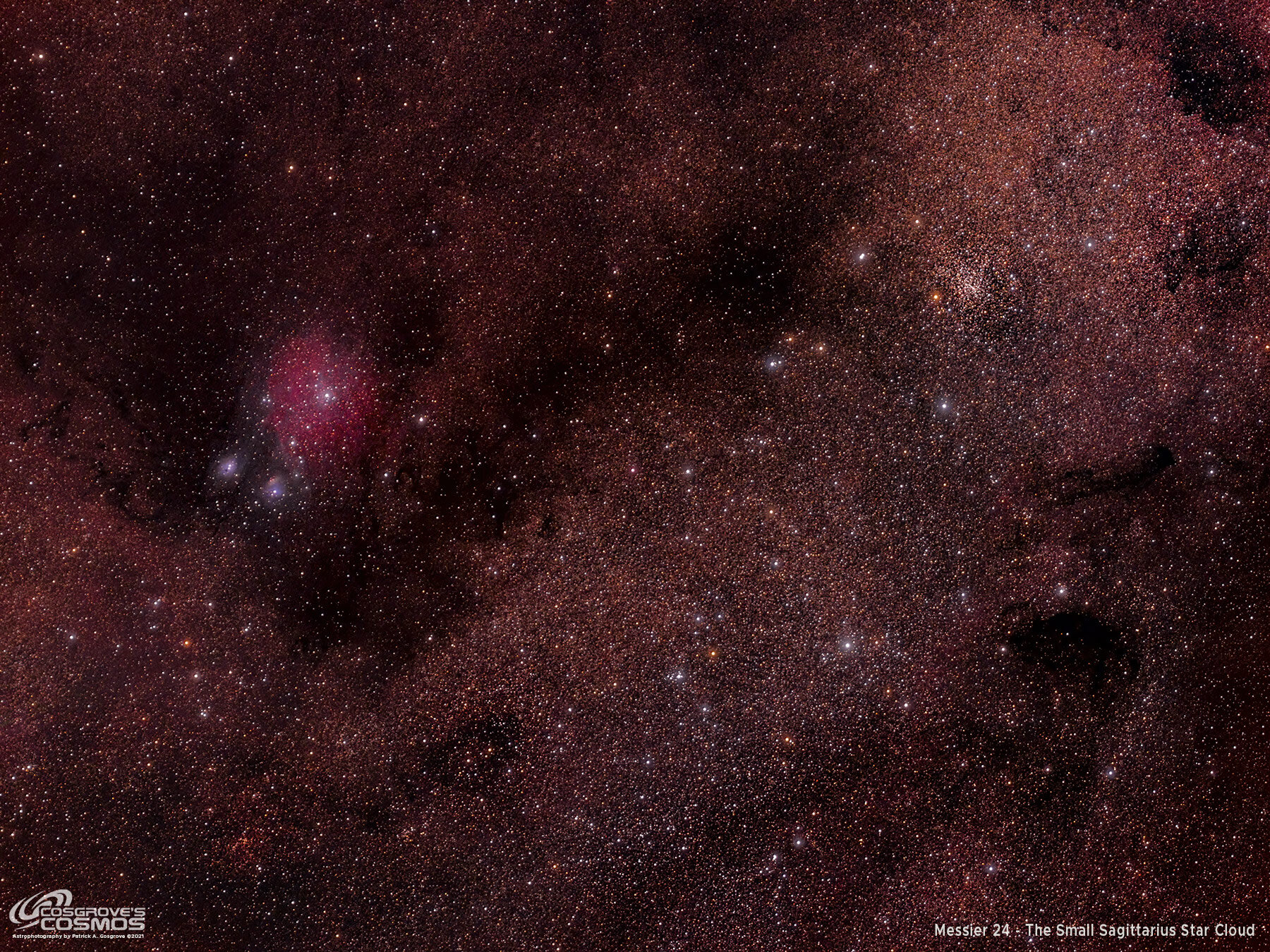
Messier 24, also known as IC 4715 and “The Small Sagittarius Star Cloud,” is located appropriately in the constellation Sagittarius. It appears as a large and dense population of stars with a few areas of dark dust. As we look towards Sagittarius, we are looking towards the highly populated core of our own galaxy. Unfortunately, we don’t see the core as many molecular gases, and dark dust clouds obscure our view. However, in the case of Messier 24, what we are actually seeing is a hole in the obscuring gas and dust, and we get a glimpse of the dense stars of the Sagittarius-Carina arms of the Milky Way.
Table of Contents Show (Click on lines to navigate)
Platform Change Summary
The Move to a Steel Pier
With the completion of my Whispering Skies Observatory, it was time to move the FRA400 platform from its carbon fiber tripod to a new Steel Pier located in the southeast corner of the observatory.
I created an adapter plate that bolts to the four holes at the top of the pier and offers a single 3/8-inch threaded center hole. Then, I put a 3/8-inch bolt down through the center of the AM5 extension and was able to bolt this on quite easily.

This is a shot of the adapter plate before I painted it.

Everything bolted up and ready for the Scope!
A New Micro-Computer!
At the same time, I switched from the laptop computer I have been using for years to the smaller, fanless Mele Quieter 4C computer mounted on the pier itself.
This computer is mounted on a red plastic bracket that was 3D-printed using PET-G filament. A long tie-wrap mounts it on the post of the steel pier.

The computer and custom 3D-Printed bracket for mounting on the pier.
A Move to NINA!
Another change is the software used to control it. After using Sequence Generator Pro for years, I am shifting over to NINA, which I find easier to use, has better automation capability, and is FREE!
The Final Version 2.1 Configuration:
Scope: Askar FRA400 72mm f/5. 6 Quintuplet Air-Spaced Astrograph
Focus Motor: ZWO EAF 5V
Guide Scope: William Optics 50mm guide scope
Guide Scope Rings: William Optics 50mm slide-base Clamping Ring Set
Mount: ZWO AM5
Tripod: Custom Steel Pier - New
Camera: ZWO ASI1600MM-Pro
Camera Rotator: Pegasus Astro Falcon Camera Rotator
Filter Wheel: ZWO EFW 1.2 5x8
Filters: ZWO 1.25” LRGB Gen II, Astronomiks 6nm Ha, OIII,SII
Guide Camera: ZWO ASI290MM-Mini
Dew Strips: Dew-Not Heater strips for Main and Guide Scopes
Power Dist: Pegasus Astro Powerbox Advanced
USB Dist: Pegasus Astro Powerbox Advanced
Polar Alignment
Cam: PoleMaster
Computer: Mele Quiert-4C Fanless micro computer running WIndows 11
Explore the rich nebular landscape surrounding Sh2-134 in Cepheus, where glowing filaments weave around intricate dark clouds and the hot supergiant Lambda Cephei illuminates its surroundings. Captured over three September nights with my Askar FRA400 and ASI2600MM-Pro, this image combines 17 hours 52 minutes of SHO narrowband and RGB exposures. The full project includes the region’s history and science, an annotated image, capture details, and a detailed processing walkthrough.