Imaging Projects
In this blog, I will share the results of all of my imaging projects. The newest will be at the top and the oldest will be further down the stack. Going back in time here is interesting - some of my early stuff was pretty rough - but I did not see it that way at the time - I was thrilled to get anything back that looked like an image! Hopefully, you will see how my work has progressed with time!
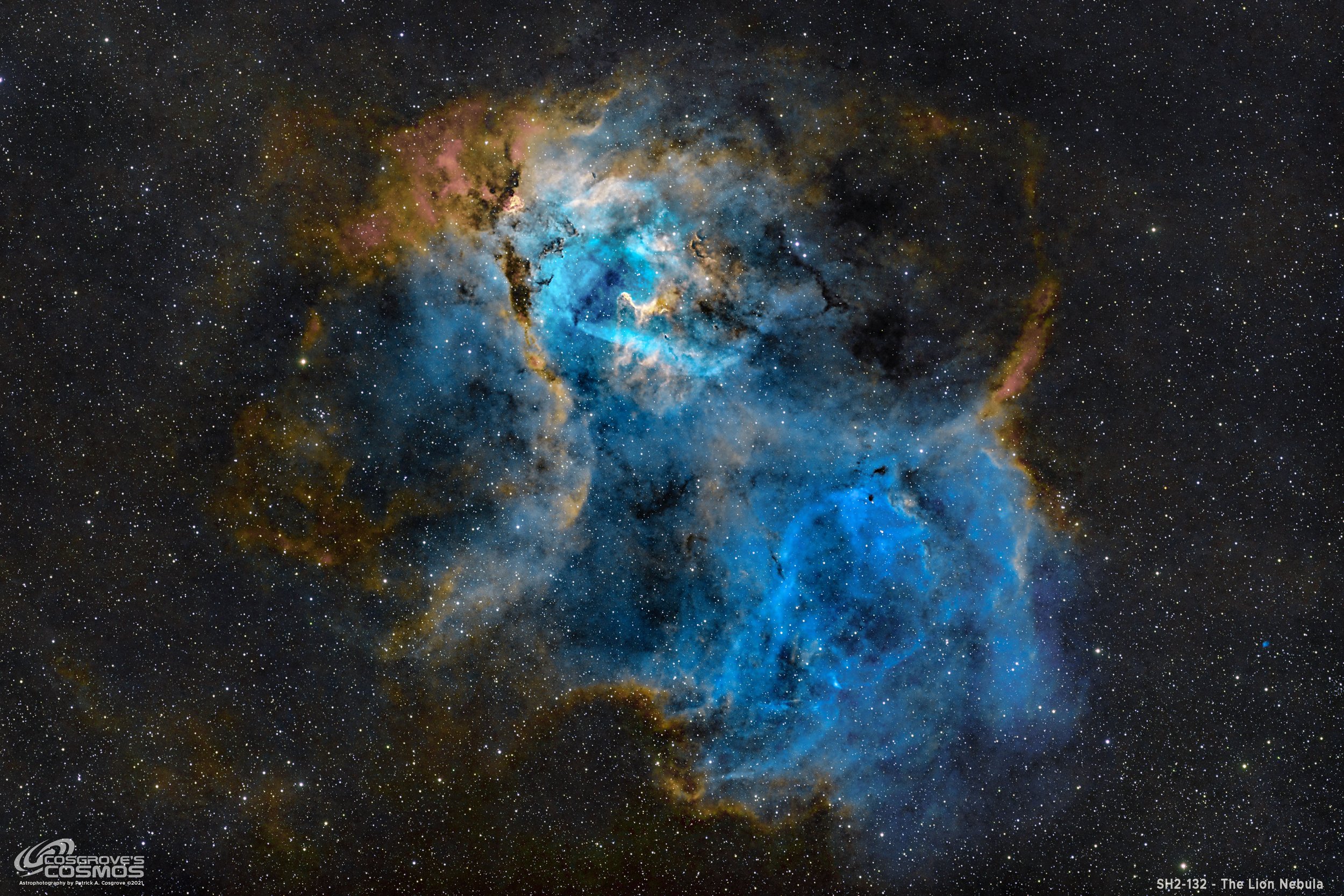
SH2-132 - A Reprocess of The Lion Nebula in SHO (8.33 hours)
This is an Image Reprocessing Project for SH2-132, also known as The Lion Nebula - whose data was originally collected in September of 2021.
The Lion Nebula is a rich HII region with star clusters, emission nebulae, and dark dust regions. Located in the southern portion of the constellation Cepheus, the Lion Nebula is roughly 10,00 light-years away in the Perseus Arm of the Milky Way Galaxy. This is a very faint and challenging target.
This image was taken on the Askar FRA400 Platform with 8.33 hours of exposure in narrowband.
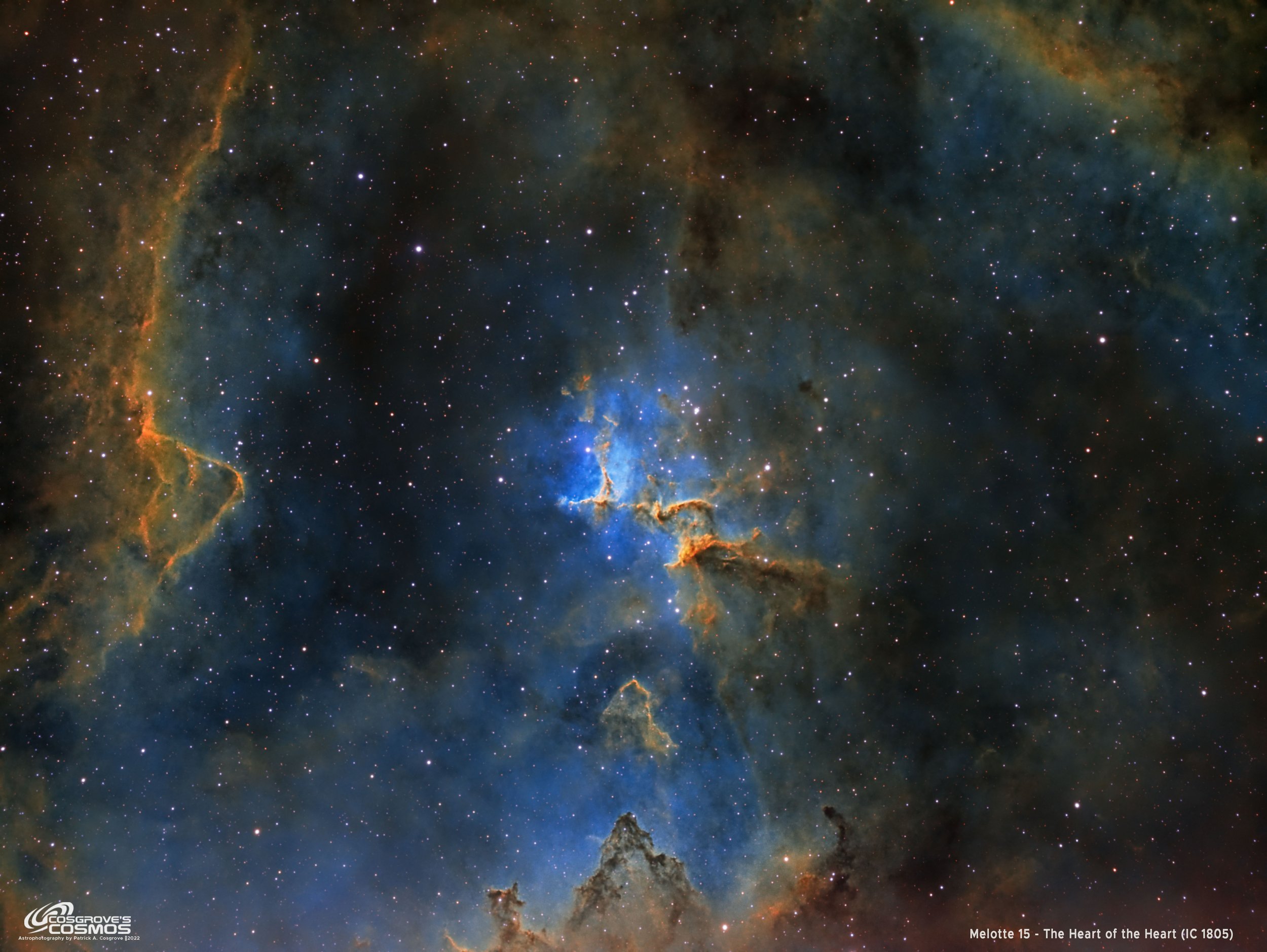
Melotte 15 - The Heart of the Heart Nebula (IC 1805) - 5.5 hours of SHO
Melotte 15, better known as the “Heart of the Heart,” is an open cluster with emission and reflection nebulae that creates an interesting structure that can be found in the center of IC 1805 - the Heart Nebula.
This rich region is located about 7,100 light-years from Earth in the constellation of Cassiopea.
This is image is the result of 5.5 hours of narrowband data collected on my William Optics 132mm FLT platform using a ZWO ASI1600MM-Prop camera.
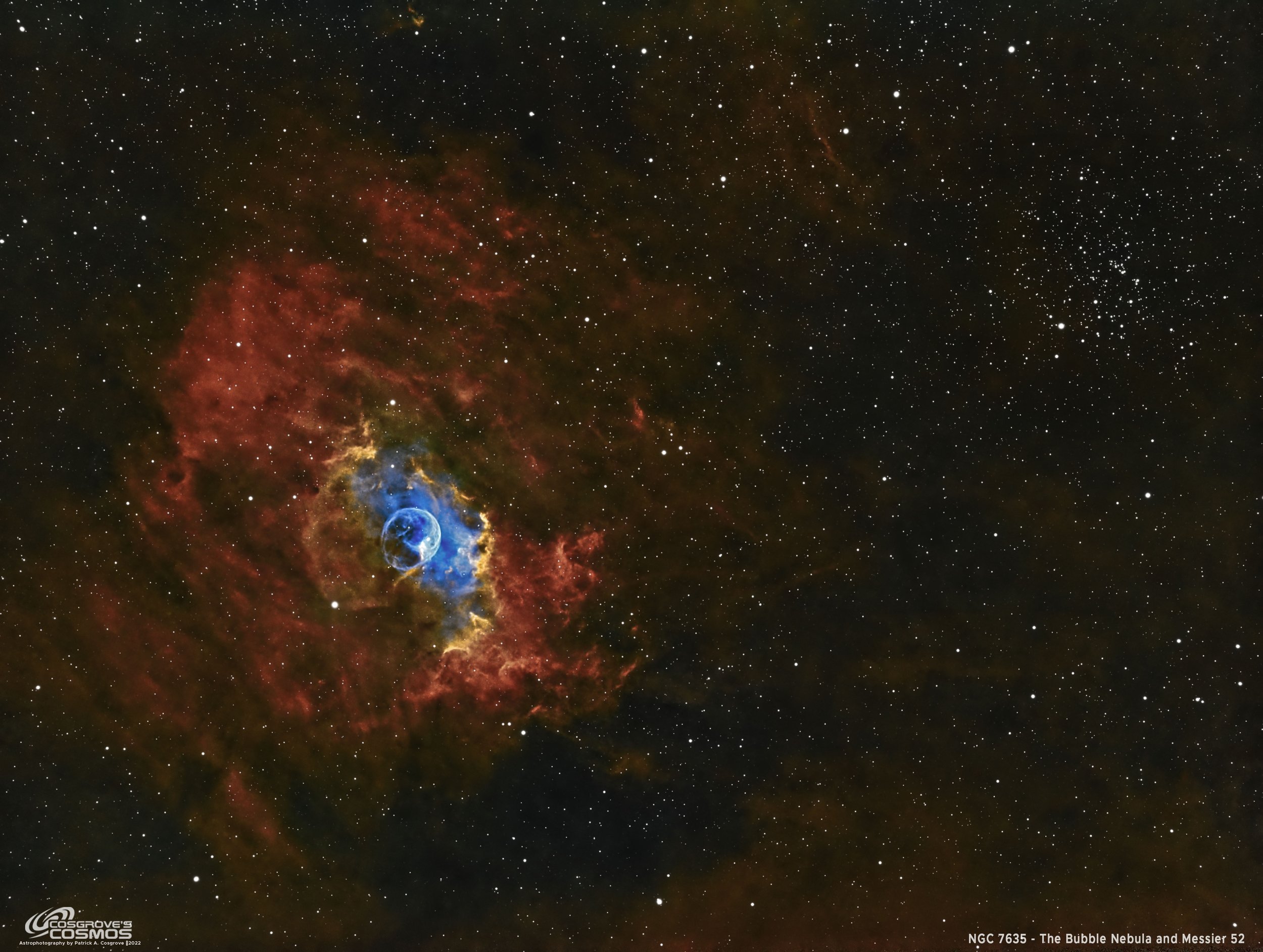
NGC 7635 - The Bubble Nebula w/M52 - 8.25 hours in SHO - Not Sure I Love it.
NGC 7635 - The Bubble Nebula with M52. 8.25 hours in SHO.
This image was shot on my William Optics 132mm FLT APO platform, using a ASI1600MM-Pro Camera and the IOptron CEM60 mount.
The original goal was to do a deeper integration of at least 15 hours - and while the weather would have supported this, I missed two clear nights due to illness.
This image has a very high color and contrast position - almost too high for me, but I disliked the lower contrast and saturation versions more - so this is it. I am not sure I love this image….
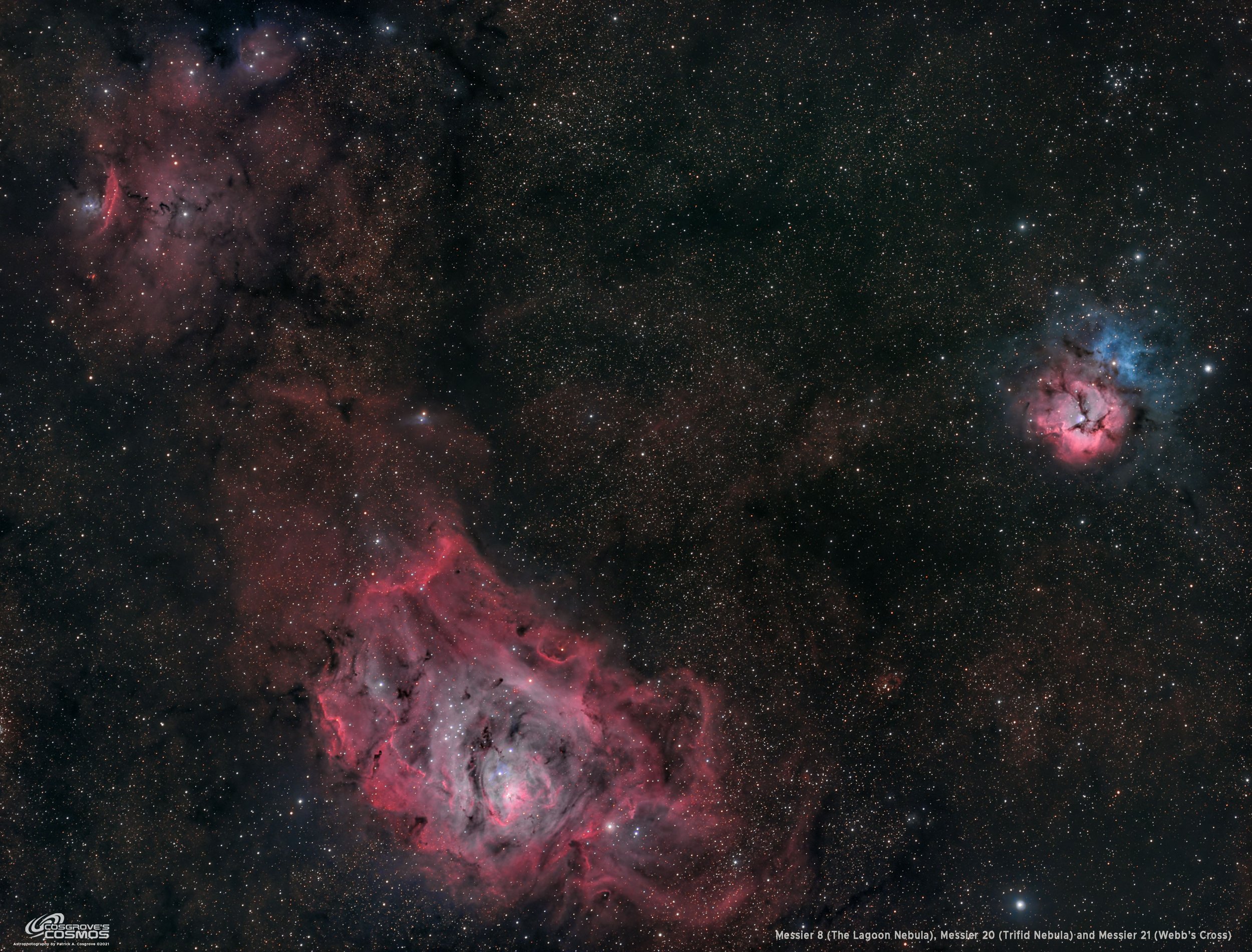
Messier 8, 20, and 21: A Rich Region in Sagittarius - 3.9 hours in HaRGB
This imaging project is a group photo taken in a rich portion of the constellation Sagittarius. It is the result of just 4 hours of LHaRGB integration. In this group, you can see Messier 8 (The Lagoon Nebula), Messier 20 (The Trifid Nebula), and Messier 21 ( Webb’s Cross). Also seen is the “Fist” shaped nebula on the upper left that is most strongly associated with IC 4685. This was taken with my Askar FRA400 widefield scope platform.
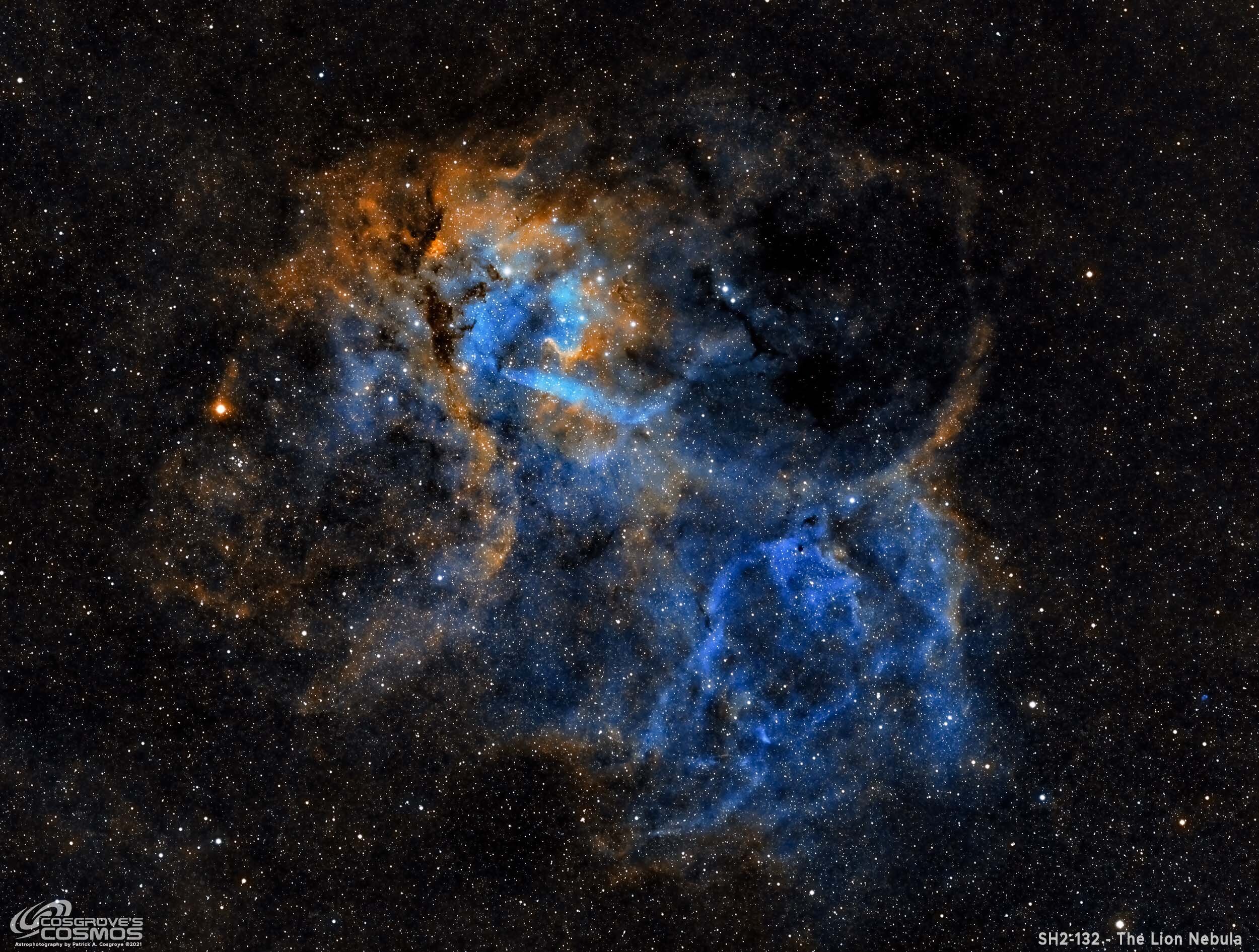
SH2-132 The Lion Nebula in SHO (8.33 hours)
SH2-132, also known as The Lion Nebula, is a rich HII region with star clusters, emission nebulae, and dark dust regions. Located in the southern portion of the constellation Cepheus, the Lion Nebula is roughly 10,00 light-years away in the Perseus Arm of the MilkyWay Galaxy. This is a very faint and challenging target.
This image was taken on the Askar FRA400 Platform with 8.33 hours of exposure in narrowband,
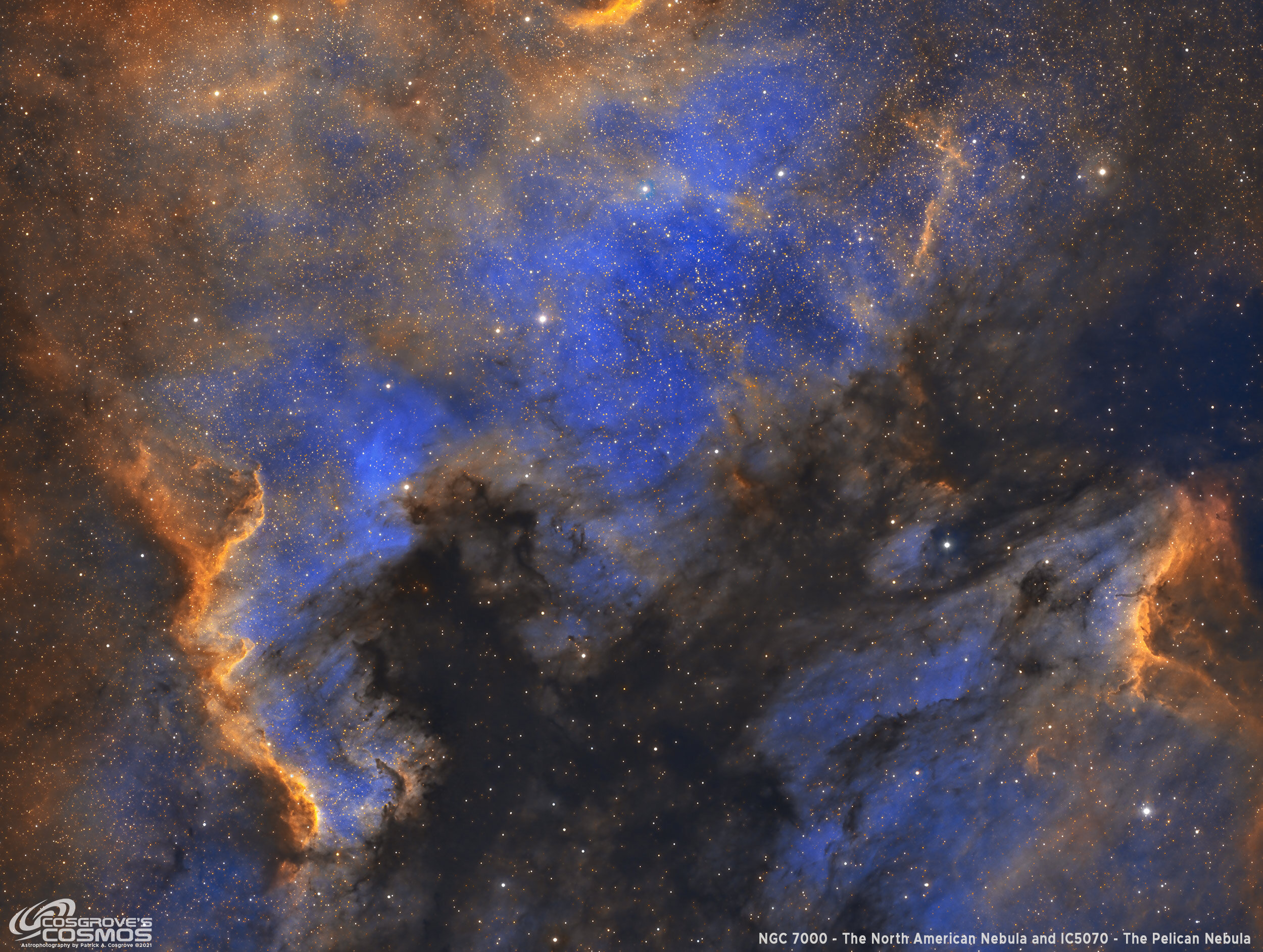
NGC 7000 (The North American Nebula) with IC5070 (Pelican Nebula) in Narrowband- Total of 9.33 Hours
NGC 7000, also known as the North American Nebula and Caldwell 20, is a large H II emission nebula located in the constellation of Cygnus (The Swan). It measures roughly 2 degrees by 1.5 degrees in size, making the nebula about 10X larger than the area covered by the full moon.
Also included in this view is the Pelican Nebula IC 5070
This image is the result of 9.33 hours of integration in Narrowband and rendered in the Hubble Palette.
Extensive notes on image processing are included for the first time.
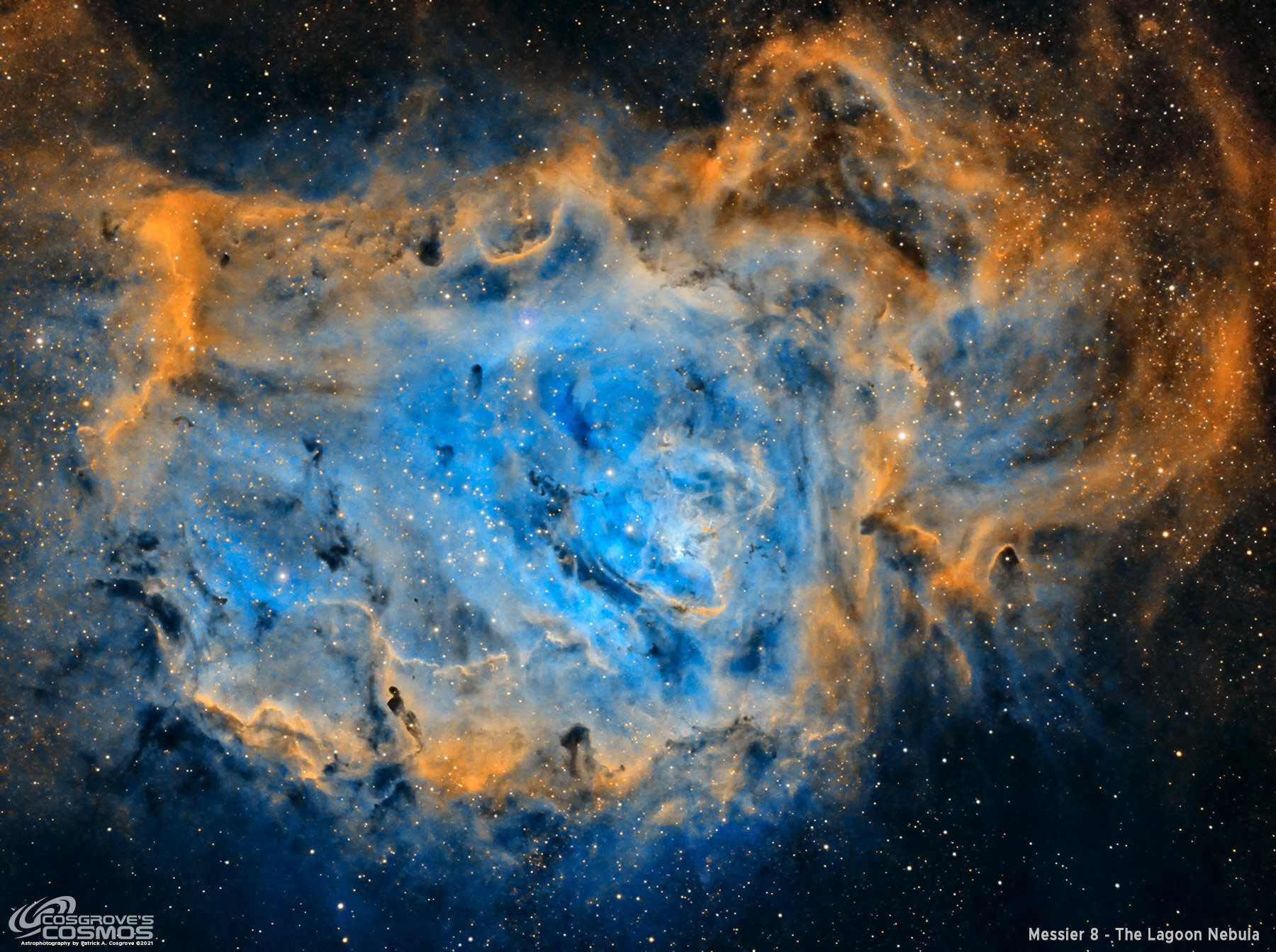
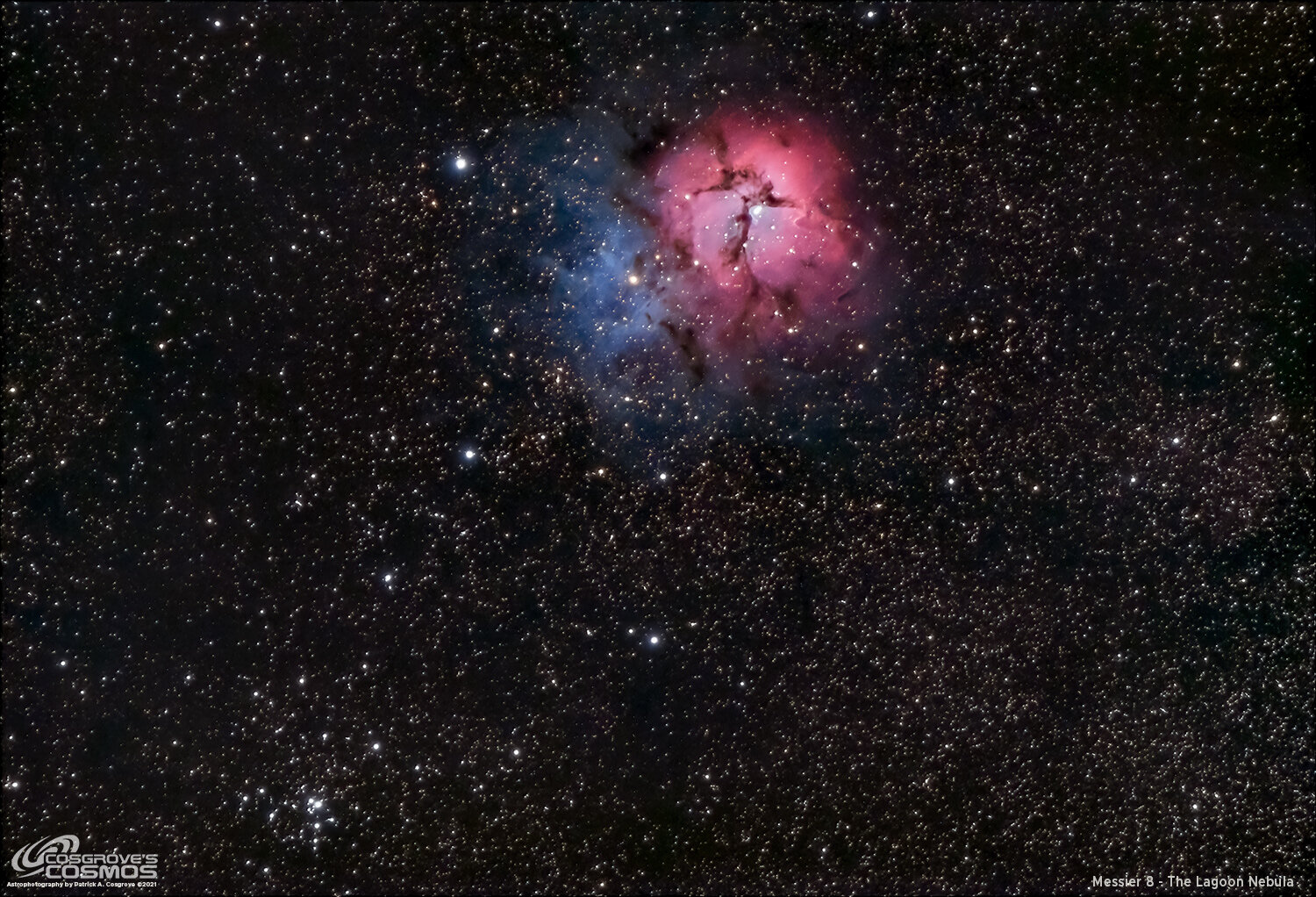
Messier 8 - The Lagoon Nebula In the Hubble Palette
Messier 8, also known as the Lagoon Nebula and NGC 6523, is a huge cloud of molecular gas and dark dust located about 4000-6000 light-years away in the constellation Sagittarius. This is a large emission nebula that is bright enough to be seen with the naked eye. Within the cloud is the open cluster NGC 6530, and a bright central feature is known as the Hour Glass.
This is my third effort on this target - a mono image in SHO - working from minimal data taken the troubling month o July 2021
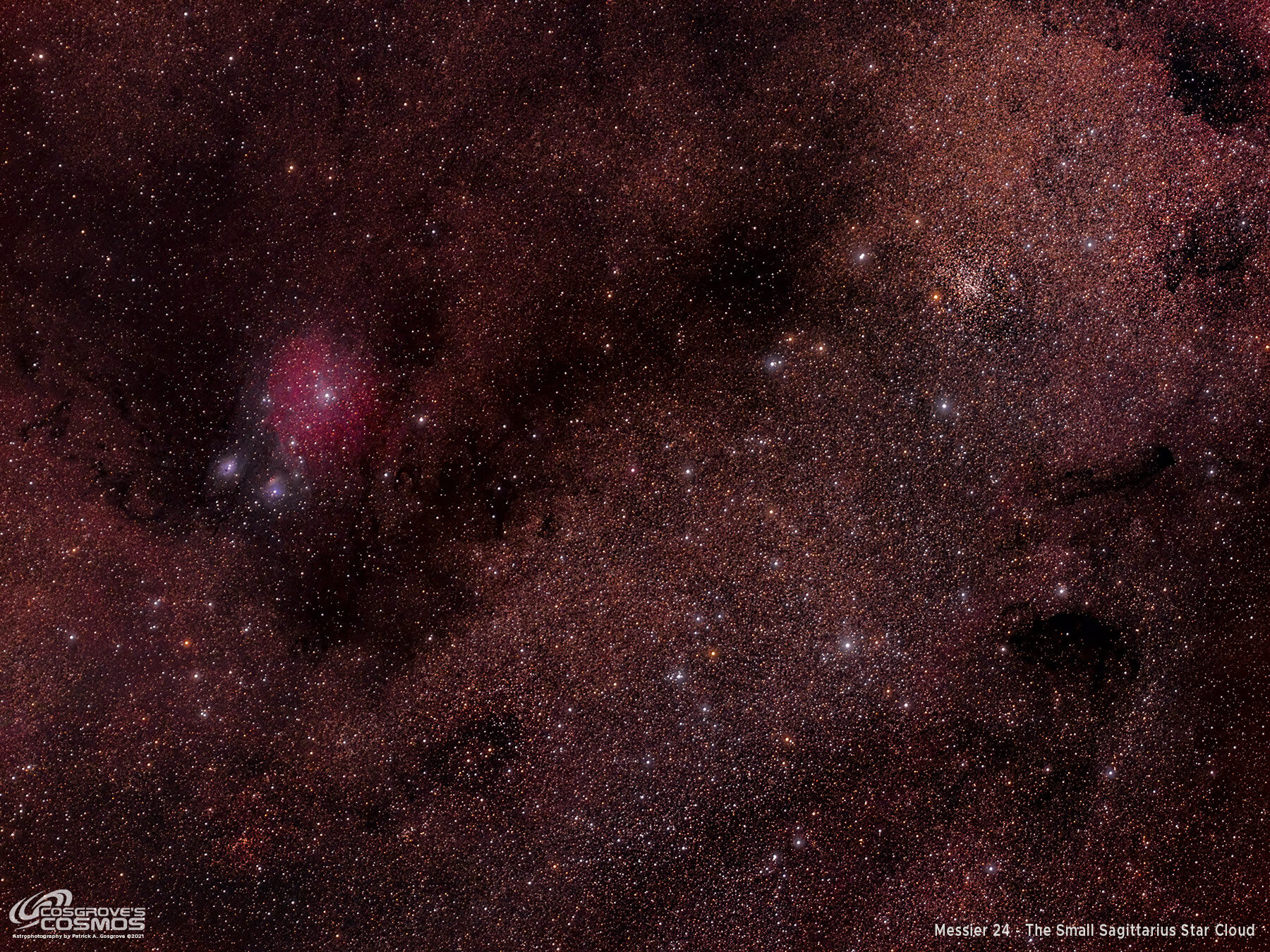
Messier 24 - The Small Sagittarius Star Cloud - in Widefield LRGB
Messier 24, also known as IC 4715 and “The Small Sagittarius Star Cloud,” is located appropriately in the constellation Sagittarius. It appears as a large and dense population of stars with a few areas of dark dust. As we look towards Sagittarius, we are looking towards the highly populated core of our own galaxy. Unfortunately, we don’t see the core as many molecular gases, and dark dust clouds obscure our view. However, in the case of Messier 24, what we are actually seeing is a hole in the obscuring gas and dust, and we get a glimpse of the dense stars of the Sagittarius-Carina arms of the Milky Way.
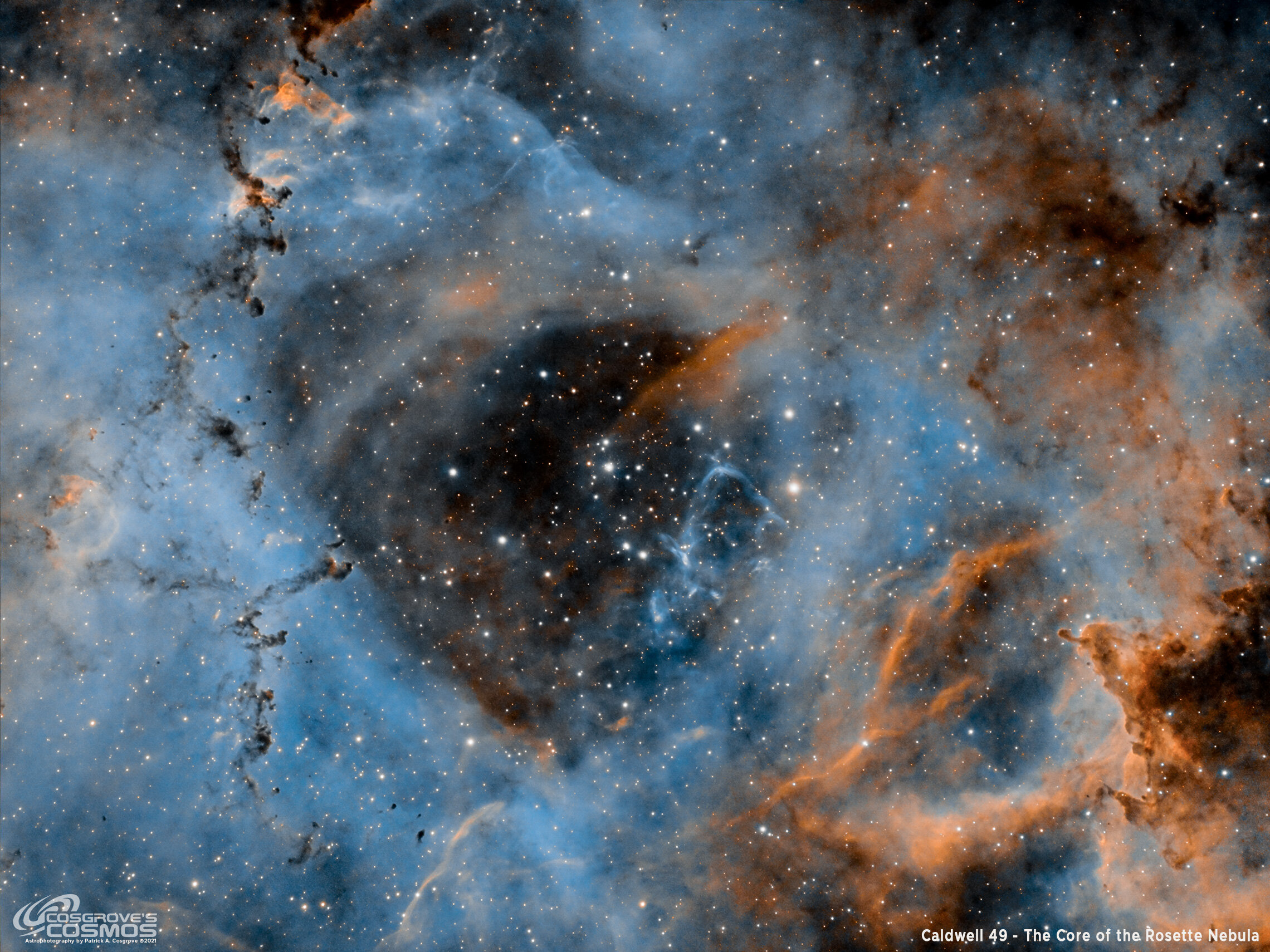
C49: The Rosette Nebula in SHO
Astrobin Top Pick!
Also known as the "Skull Nebula" and Caldwell 49, the Rosette Nebula is a large HII region of bright gas and filaments of dark dust, located in the constellation of Monoceros. The open cluster NGC 2244 (discovered by John Flamsteed in 1690) is associated with this region - the stars of which were formed within this molecular cloud. Located 5000 light years away, and measuring 65 light years in diameter,

Messier 20 - The Trifid Nebula - Mono Camera FIrst Light!
Messier 20 is known by the common name “The Trifid Nebula” and by NGC 6514. It is a star-forming region in the constellation of Sagittarius and is located about 4100 light-years away. This was the very first image on the AP-130 platform and my very first use of a mono camera forming an LRGB image!
Messier 20 - The Trifid Nebula
The first imaging attempt on Messier 20, commonly known as the Trifid Nebula, is a Hydrogen II region in Sagittarius located about 5000 light-years from earth. The name "Trifid" means "divided into three lobes," This describes the impression when seen visually in a Telescope. This object combines an open cluster of stars, an emission nebula (the red portion), and a reflection nebula (the blue portion), making it a rich target for astrophotography. The dark lanes are concentrations of dust and gas that form nurseries for the formation of new stars
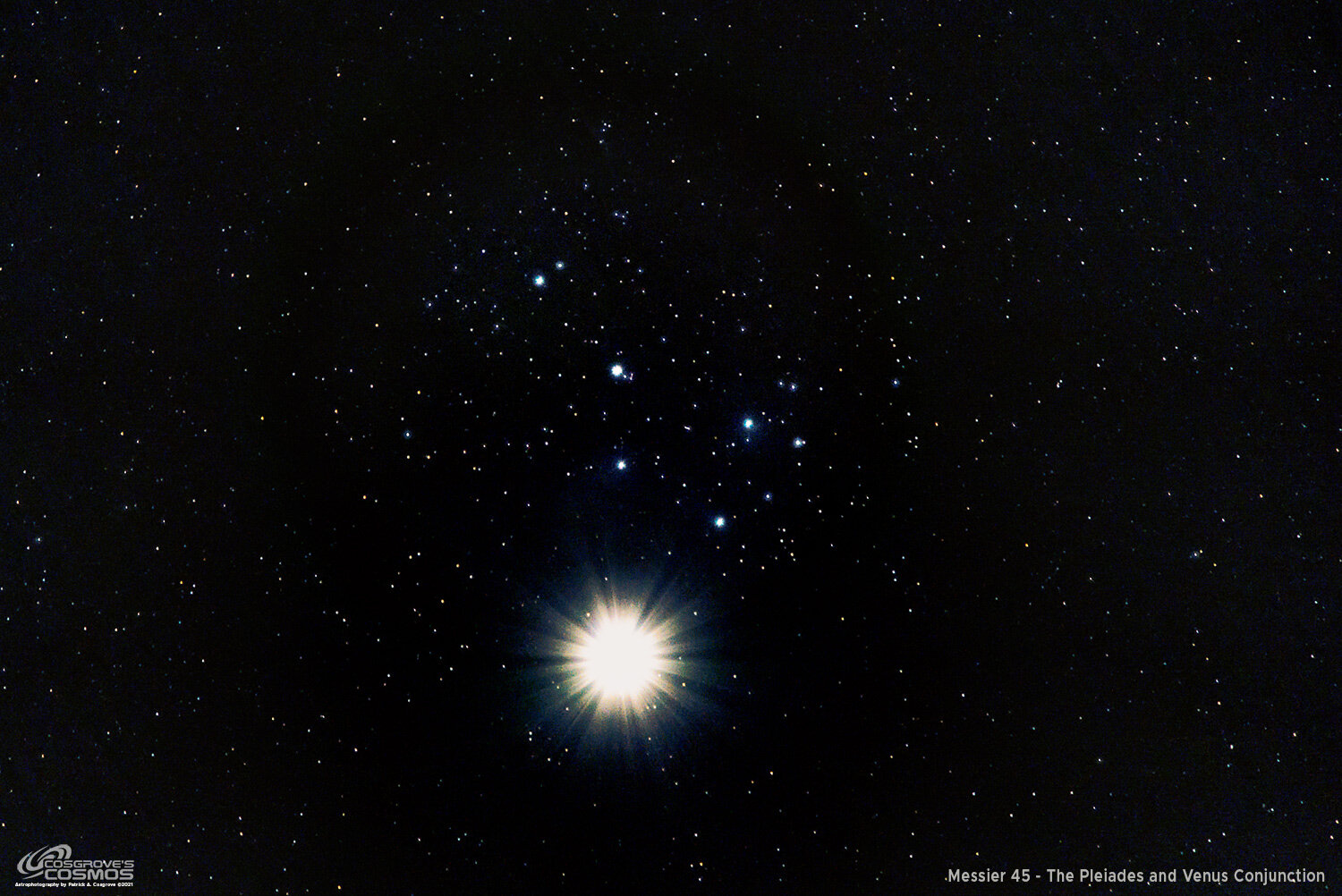
Messier 45: The Pleiades and Venus - A Conjunction
Venus approaches M45 - the Pleiades star cluster. It's not very often that you can see a planet so close to a well-known star cluster, and since it was marginally clear last night, I decided to try capturing it. This was shot with my Sony A7iii shooting with the Sony 100mm-400mm GM Zoom with the 1.4 Extender on it. The entire rig was mounted on a heavy carbon fiber tripod. This is 30 x 1-second exposure at F/8, stacked in Deepsky Stacker and processed with Pixinsight and Photoshop.

NGC 2174 - The Monkey Head Nebula
NGC 2174- Known as the Monkey Head Nebula. This object is located in the constellation Orion and is associated with NGC 2175 - an Open Cluster embedded in the nebula. This is only 6400 light-years away, so it's in the galactic neighborhood, so to speak.
Surprisingly short 36-minute exposure image
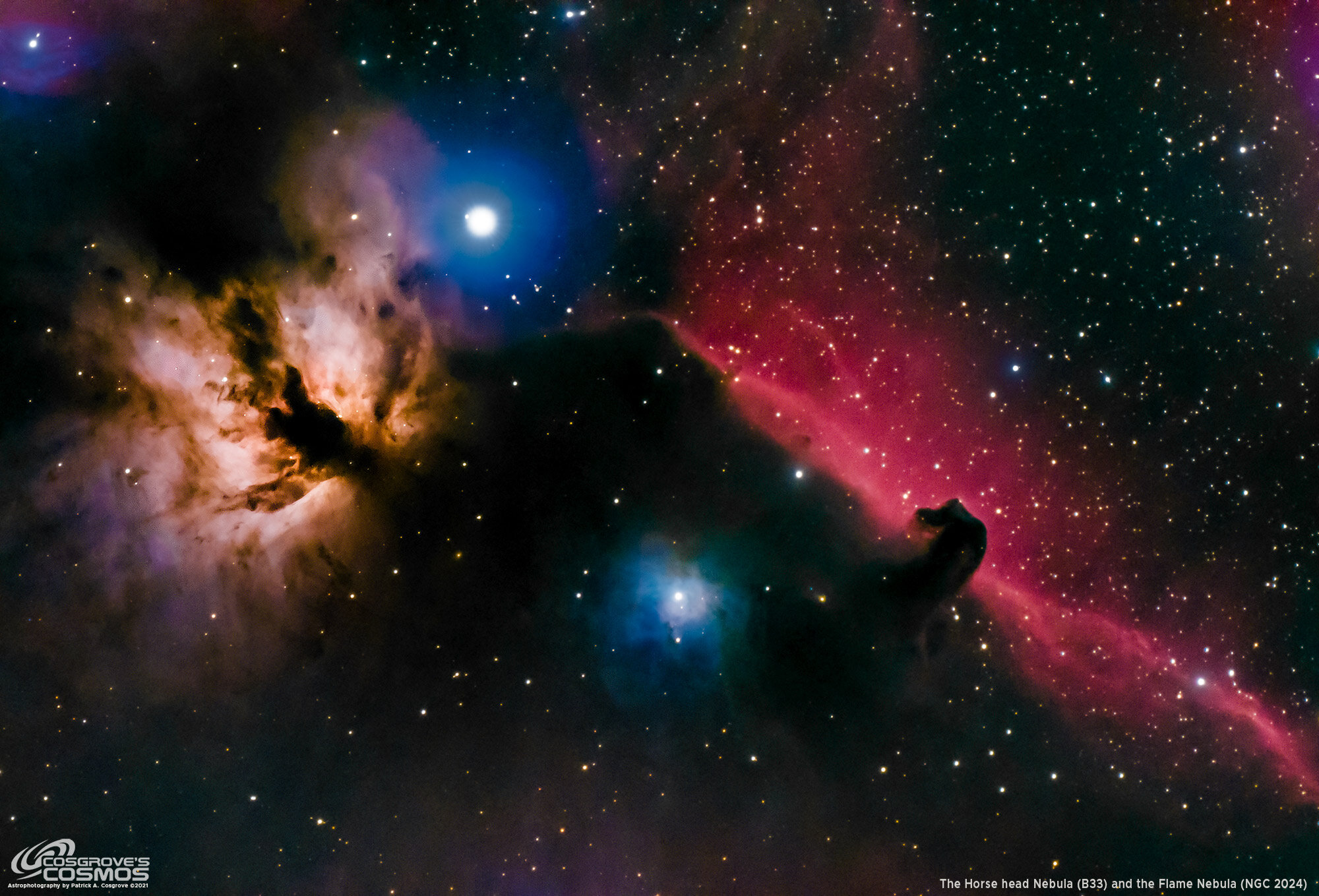
B33: The Horsehead and NGC 2024: The Flame Nebula
The Horsehead Nebula is a small dark nebula located just to the south of the bright star Alnitak - the left-most star on Orions Belt. It is located some 1300 light-year from the earth. On the other side of Alnitak is the Flame Nebula. This region is rich in dust and molecular clouds that are ionized by the radiation coming from Alnitak. This is a rich area for star formation. This image was the result of 90 minutes of exposure.
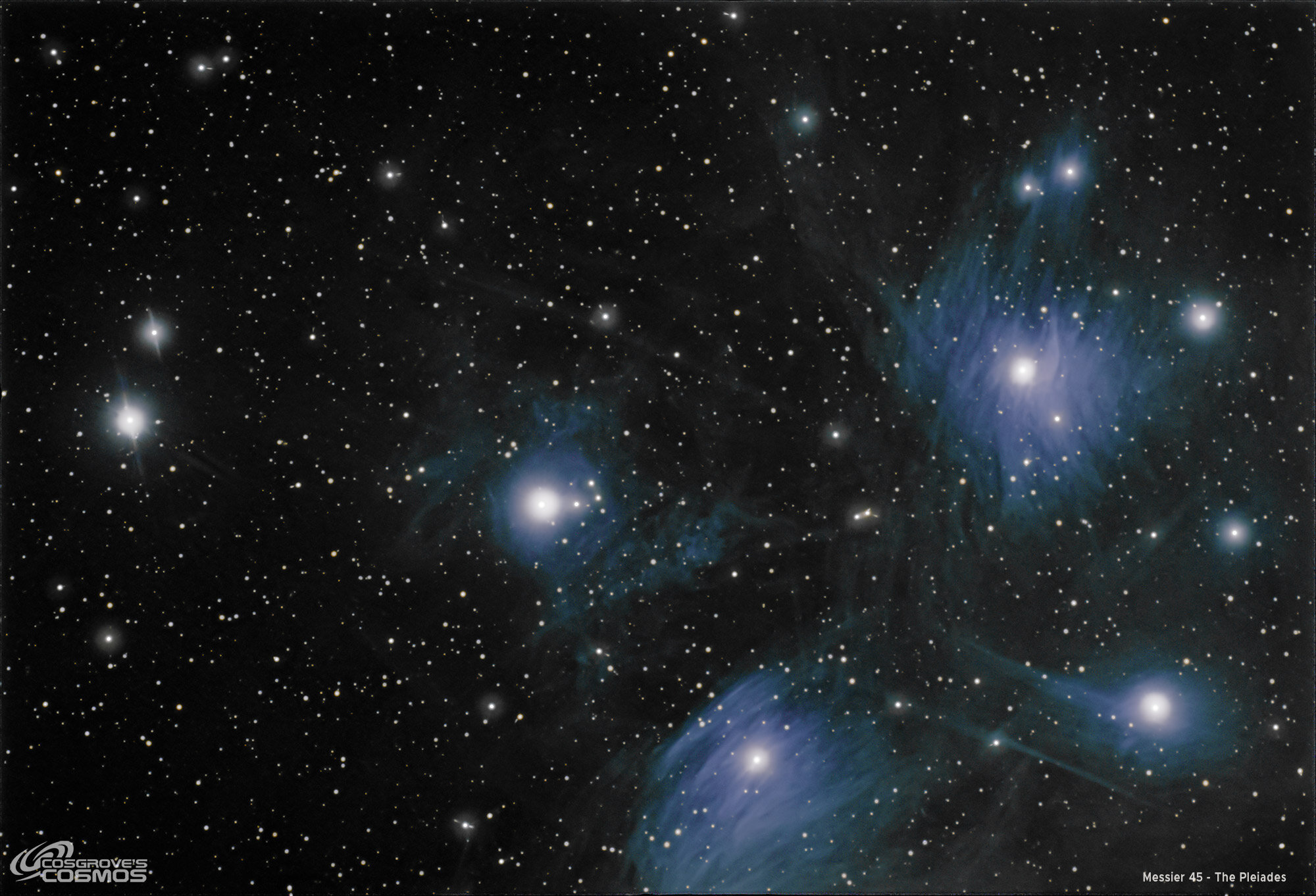
Messier 45 - The Pleiades Star Cluster
Messier 45, better known as the Pleides Star cluster or the Seven Sisters, is a large star group easily seen with the naked eye in the constellation Taurus - the Bull. Wow, Rochester weather in the late fall really sucks. It has been almost 9 weeks since I have had a clear night! Finally, we had a nice clear sky last evening, and the temperature was not too brutal - about 37 degrees F. My first shot of the night was M45, the Pleiades star cluster. Also known as the Seven Sisters, this open cluster is visible to the naked eye in the constellation Taurus. The framing is a bit tight here for my scope focal length, but I was just able to fit them into the field of view. These are a grouping of middle-aged blue stars, and on longer exposures, you can see local dust clouds illuminated by these blue stars. This was the result of 20 three-minute exposures.
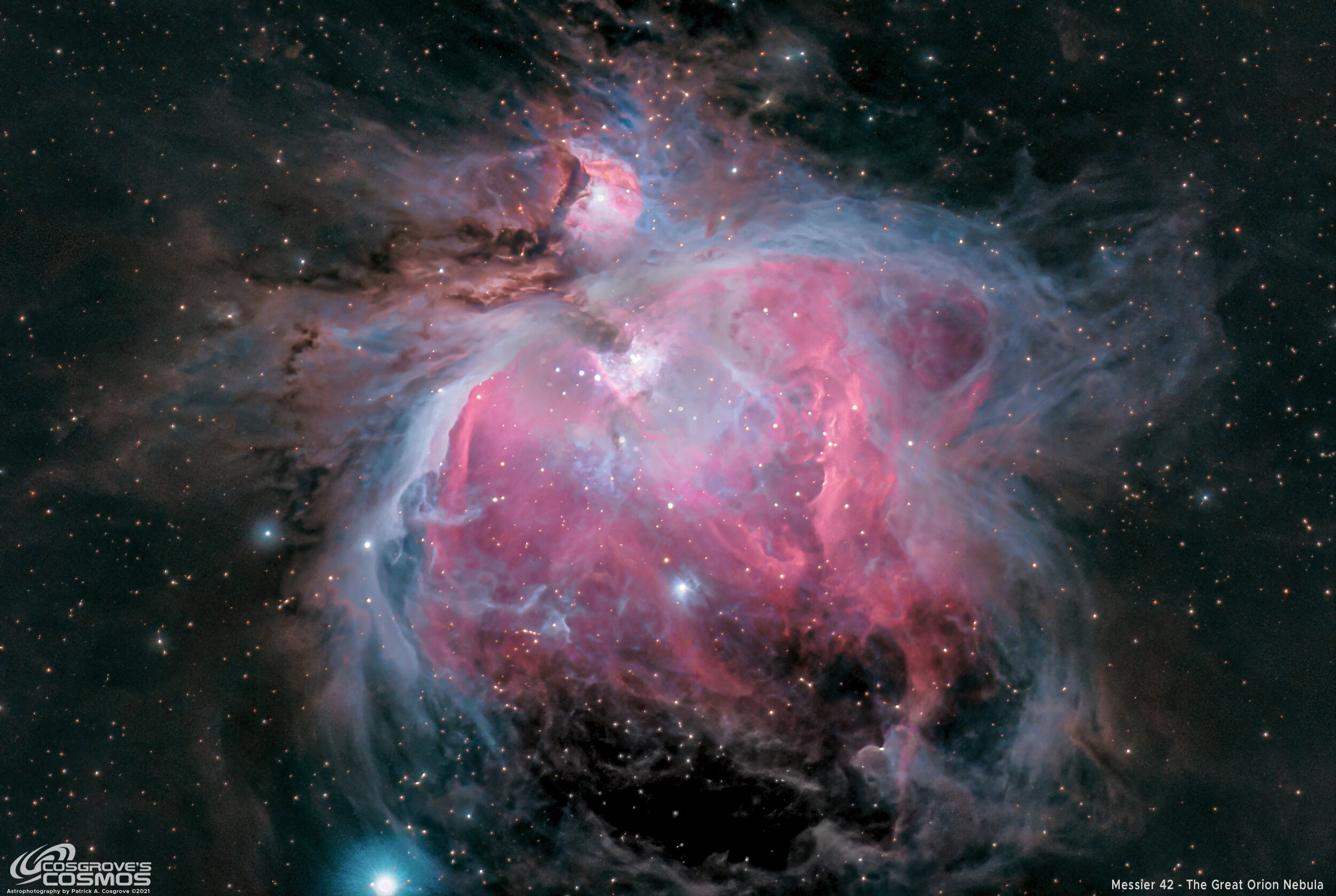
Messier 42 - The Great Orion Nebula
Messier 42 - The Great Orion Nebula. Also known as NGC 1976. Everybody that does astrophotography shoots this very famous object at some point or another. This is my very first shot at it. This bright nebula is located 1300 light-years away in the constellation Orion. It can be seen as part of the sword in Orion's belt and is visible to the naked eye. The Orion Nebula is a large cloud of gas and dust that is an area of new star formation and is a known stellar nursery. Located in the core is the famous tight star cluster known as the Trapezium. This is located in the brightest part of the nebula.
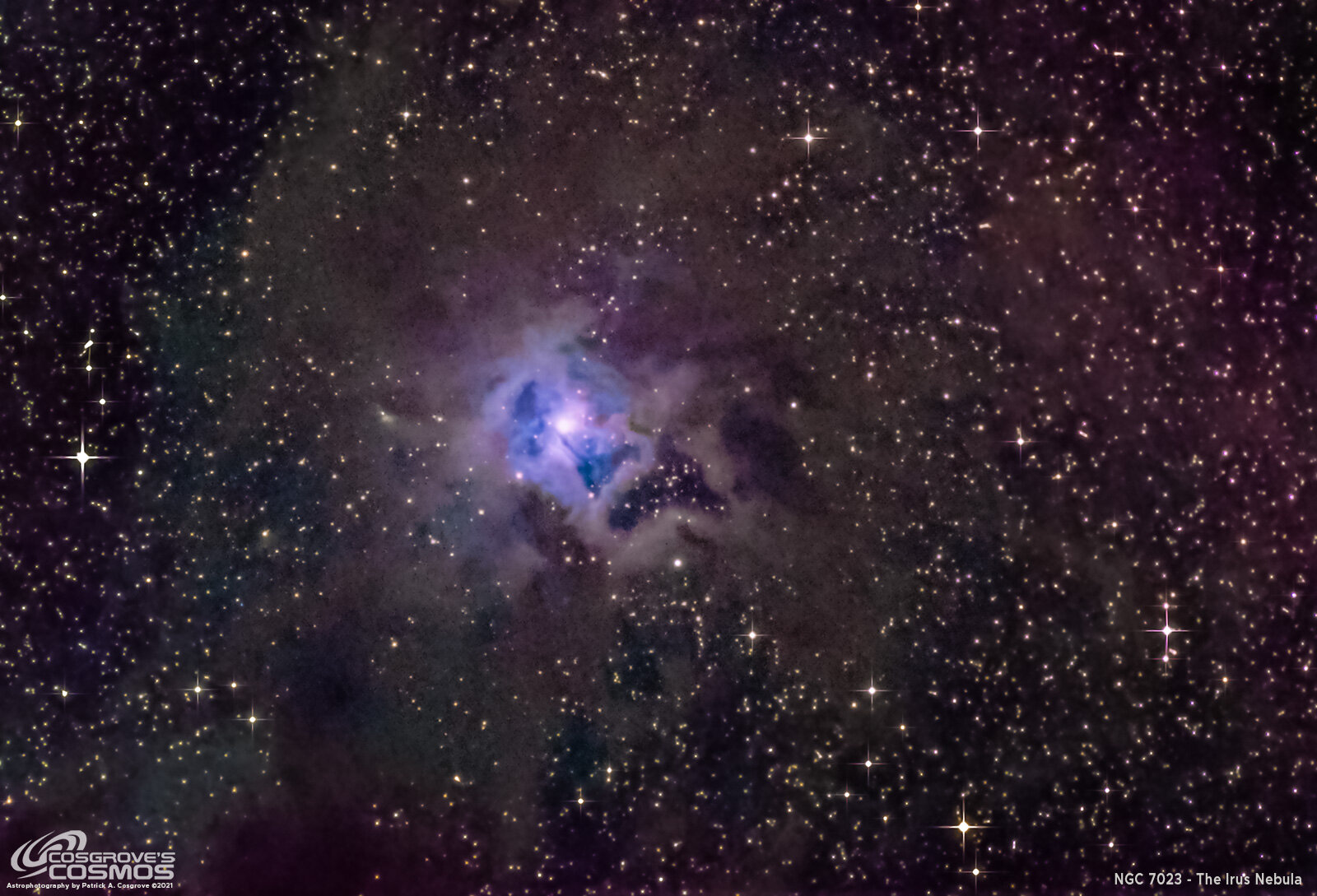
NGC 7023 -The Iris Nebula
NGC 7023, also known as the Iris Nebula, is located in the constellation Cepheus and is only 1300 light-years away. NGC 7023 is actually the small cluster of stars in the nebula center - these stars are surrounded by both emission and dark nebulae.
I like the effect you get with this nebula as there are many dark clouds as dark clouds, and in some cases, these clouds are back-illuminated. I was surprised that we had a clear night last night - it was originally forecasted to be cloudy. This is a key week for Astrophotography as the moon is new, so I could not miss an opportunity to go after this object. The plan was to capture 65 x 180-second exposures. Alas, I was hit by some high-level clouds at exposure 35, and I had to shut down.
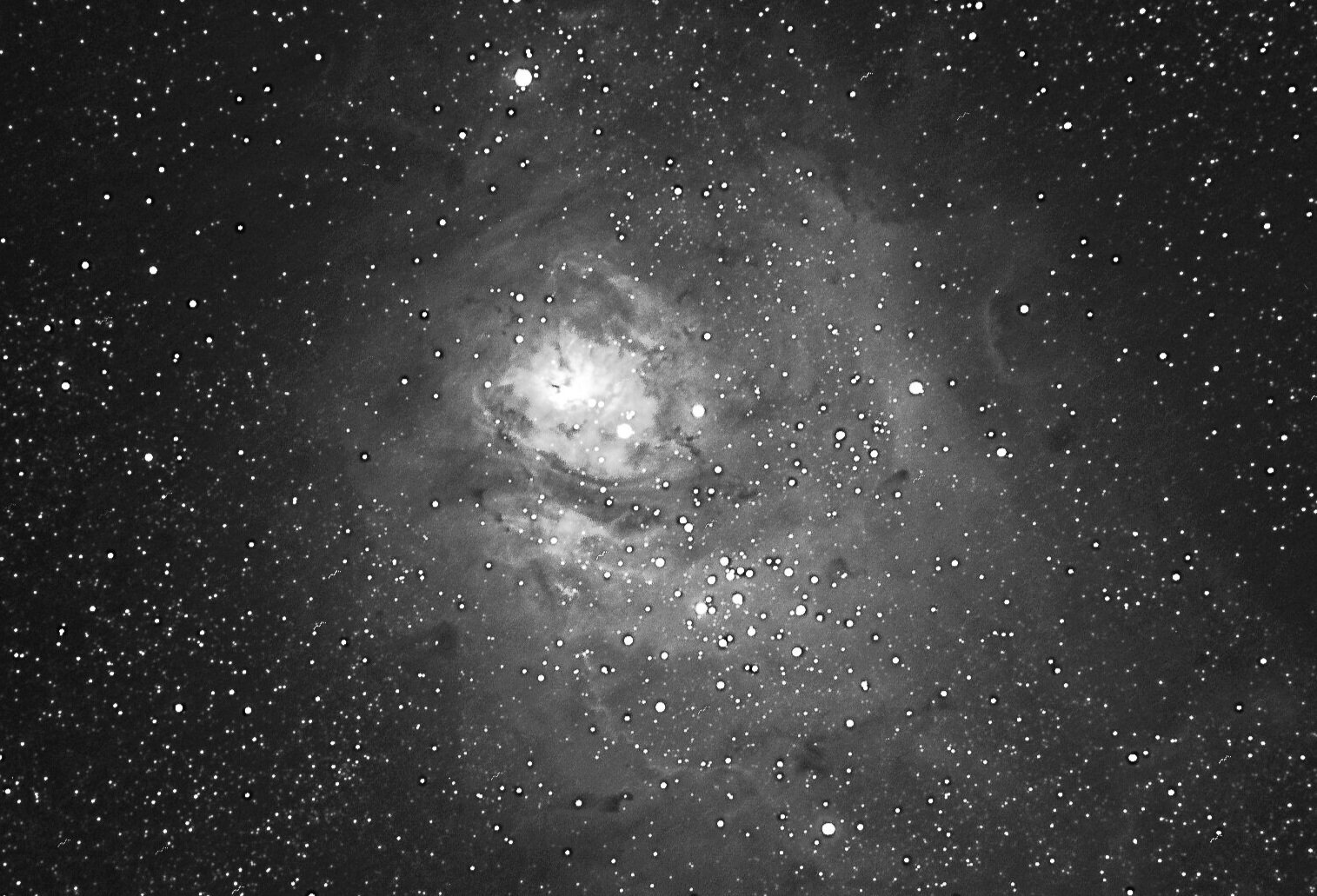
Messier 8 - The Lagoon Nebula - My First Image Ever!
My First image ever - this is the story about the very first time I setup my new telescope and mount - along with the ASI294MC_Pro camera and got things working enough to get a crude set of first subs that led this image. No color, No Guiding. No Cal frames. Bad focus. But I was thrilled anyway and hooked on this thing we call astrophotography!